REVIEW · OSLO
Oslo: Guided Sightseeing Fjord Cruise on Premium Silent Boat
Book on GetYourGuide →Operated by Brim Explorer · Bookable on GetYourGuide
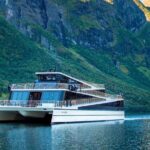
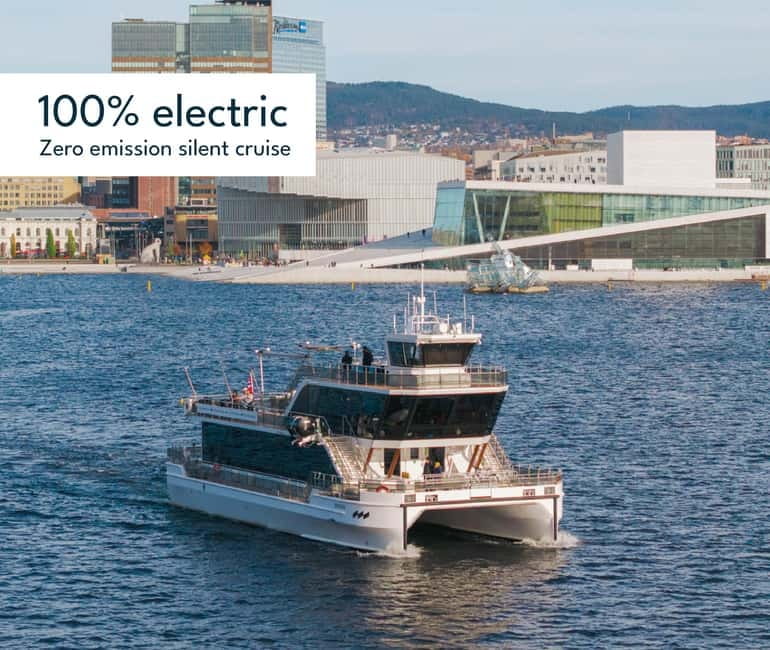
A fjord cruise in Oslo that actually feels calm. You’ll slide past the city’s waterfront icons on the silent hybrid-electric Ms Brisen, with expert guide commentary and panoramic views from both outdoor decks and warm indoor saloons. If you’re counting on this to be a long outing with time on islands, keep expectations tight since the trip is 2 hours.
The big win here is how the cruise turns Oslo’s landmarks into a story you can follow in real time. I love that you get live narration about nature and wildlife around the fjord—not just photo ops. The only downside worth planning for is that food and drinks aren’t included, so you’ll want to budget a little extra if you like pastries, coffee, beer, or cinnamon buns.
In This Review
- Key highlights to look for
- Ms Brisen: the quiet, modern boat that changes the whole tone
- From Rådhusbrygge to Akershus Fortress: seeing Oslo’s power from sea level
- The Opera House and the Munch area: modern Oslo framed by water
- Dyna Fyr, bathing houses, and the sauna vibe: the fjord’s shoreline stories
- Bygdøy Peninsula and Hovedøya: islands that feel different from land
- Onboard comfort: decks, warm rooms, cafe snacks, and quiet joy
- Price and value for a 2-hour Oslofjord cruise at $51
- When to go: weather-smart tips for your Oslofjord timing
- Who should book this silent electric fjord cruise?
- Should you book this Oslofjord cruise or skip it?
- FAQ
- Where does the cruise depart?
- How long is the Oslo fjord cruise?
- Is the boat fully electric or silent?
- Is the tour in English?
- Are food and drinks included?
- Can I stay warm if the weather is bad?
- Is the tour wheelchair accessible?
- What sights does the cruise highlight?
- Can I cancel and get a refund?
Key highlights to look for
- Truly quiet sailing: the electric boat glides without the usual engine roar, so the scenery feels closer
- Live guide storytelling: from fortress history to what’s happening in the water and shoreline
- Big viewing options: three outdoor deck areas plus two warm saloons with panoramic windows
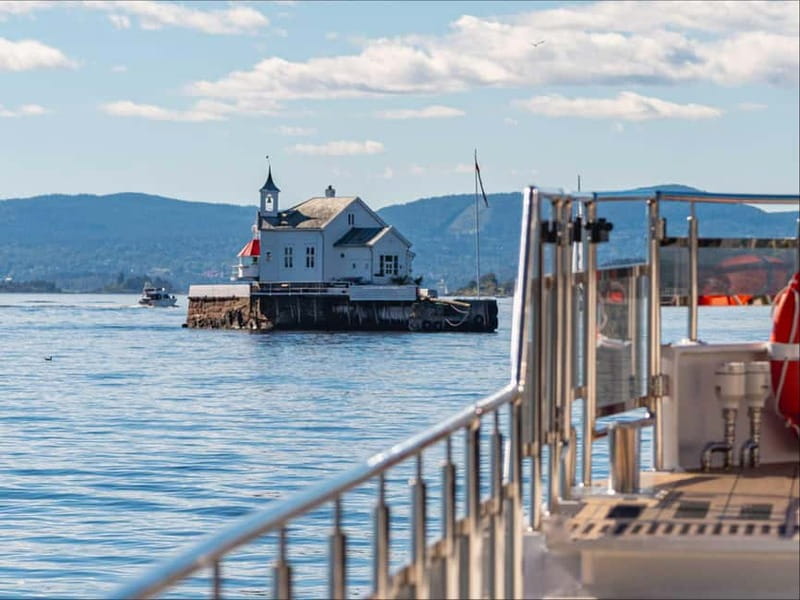
- Icon route from the water: Dyna Fyr, Akershus Fortress, Opera House, plus bathing houses and islands
- Cafe on board: tap water included, and you can buy fresh pastries and drinks to warm up
- Comfort matters in real weather: warm interiors help when it’s rainy, foggy, or windy
Ms Brisen: the quiet, modern boat that changes the whole tone
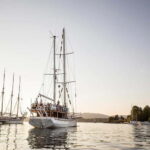
This is the kind of Oslofjord cruise that feels different the second you board. The boat, Ms Brisen, is described as silent hybrid-electric, and that’s not marketing fluff. When the engine noise stays low, you hear less “tour bus on water” and more wind, water, and birds. In practice, that means the guide’s narration lands better, too—you’re not straining over vibration and rumble.
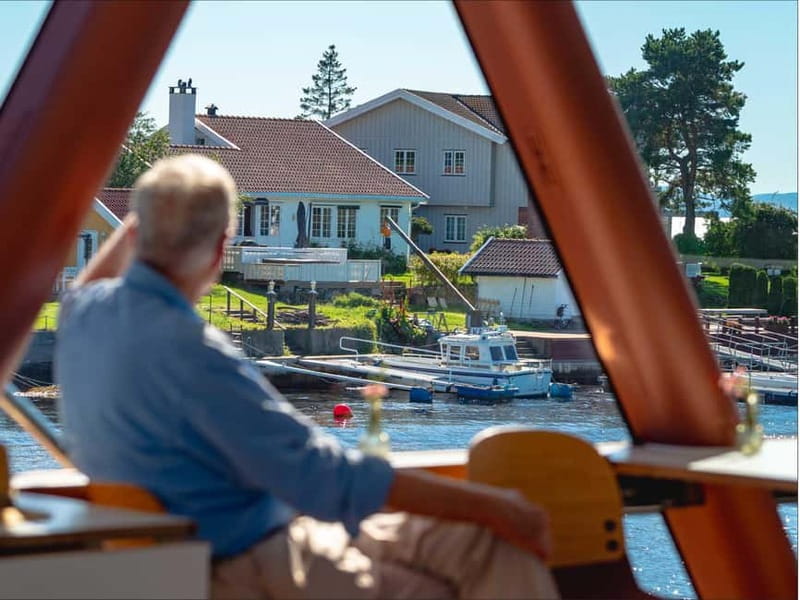
You also get real choices about where to sit. There are three outdoor decks for open-air viewing and two warm saloons with panoramic windows if the weather turns. The warmth detail matters in Oslo, where a sunny forecast can quickly become drizzle. Several departures are clearly run in mixed conditions (rain is specifically mentioned), and the setup is designed so you don’t feel trapped indoors.
Comfort isn’t just about warmth. The boat is modern and steady, with plenty of seating and table space rather than cattle-car rows. You’ll also find basics that make a difference on a two-hour outing—like toilets onboard—so you don’t have to rush the experience.
And yes, you can add to the cozy vibe with onboard cafe stops. People note freshly baked goods like waffles and Norwegian cinnamon buns, plus hot drinks and even beer and wine, depending on what’s offered that day.
You can also read our reviews of more tours and experiences in Oslo.
From Rådhusbrygge to Akershus Fortress: seeing Oslo’s power from sea level
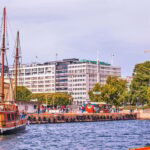
Your experience starts at the harbor, docked by Rådhusbrygge 2 just before Piren restaurant. Show up about 15 minutes early so you’re not sprinting in rain gear while trying to find the exact dock.
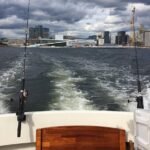
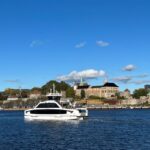
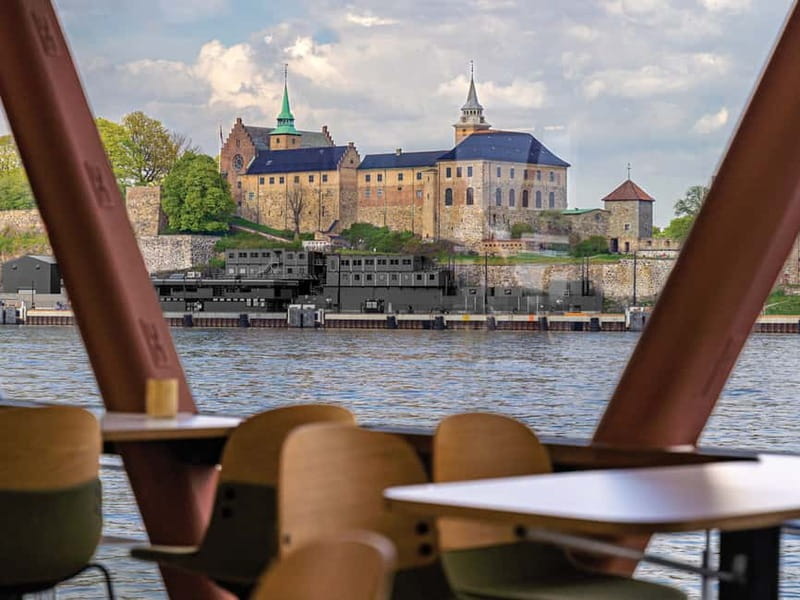
Once onboard, the early part of the cruise sets the stage fast: Akershus Fortress comes into view as the boat moves past it. Viewing a fortress from the water hits differently than seeing it on land. From the sea, you get a sense of how Oslo’s defenses worked—sightlines, shoreline access, and why this location mattered. It’s also one of the easiest stops to photograph because the boat passes close enough for windows, and the guide helps you know what to look for before you snap.
This is where the value of a live guide shows. A good commentary doesn’t flood you with facts. It helps you connect what you’re seeing: architecture in context, coastal shape in context, and how the city grew around the fjord. In multiple departures, guides named Fredrick and Sophie are singled out for narration that stays entertaining while still being direct.
A quick practical note: because this is a cruise past landmarks, you’ll likely get “pass by” moments plus photo stops. Plan for a camera-ready mindset rather than expecting long time on shore.
The Opera House and the Munch area: modern Oslo framed by water
After the fortress area, the route heads toward the Oslo Opera House. This is one of those Oslo sights where the design is impressive up close, but it’s even more striking from the fjord. From the water you get the full massing—how the building sits against the shoreline, how it catches light, and how it relates to the harbor in front of it.
This part of the cruise also ties into the Munch and Opera theme mentioned among the highlights. Even if you already know the cultural landmarks, the boat perspective helps you understand the geography: modern Oslo isn’t isolated from the fjord. It’s arranged around it.
Photo stops here are useful because you’ll get a moment to step into the deck view or position yourself by a panoramic window. And because this boat isn’t noisy, you can actually hold a conversation while the guide explains what you’re seeing—rather than shouting over sound.
Guides vary by departure, but the pattern stays consistent: commentary is timed to landmarks, and it’s meant to guide your attention. People describe it as clear and to the point, with enough pause that you don’t feel trapped listening the whole time.
Dyna Fyr, bathing houses, and the sauna vibe: the fjord’s shoreline stories
One of the best parts of the route is how it shifts from big city icons into the smaller, more lived-in shoreline details. The tour passes the area around Dyna Fyr (Dyna Lighthouse), and that’s a moment with a different feel than the Opera House. Lighthouses act like visual anchors in a fjord view, and when you see them from close range, you understand their practical role—navigation, weather, and coastline signals.
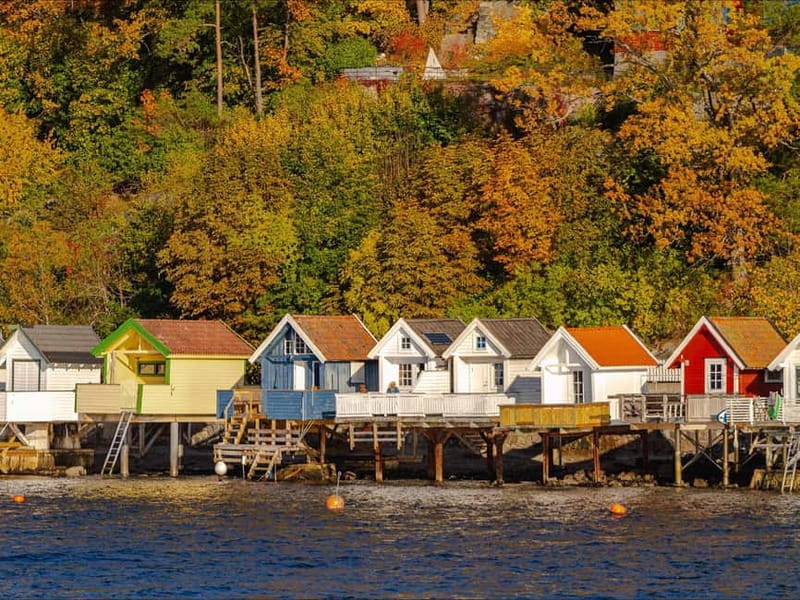
You’ll also pass bathing houses and spots around the Oslo Fjord Sauna area. If you’ve heard about Oslo’s sauna culture and ocean bathing tradition, this is where it becomes more than a slogan. The boat perspective shows how the water is woven into everyday recreation: the shoreline isn’t just scenery, it’s infrastructure for people.
Other named passes include Sjøstrand and Vassholmen, along with island views like Heggholmen fyrstasjon. Each one adds a layer to the “Oslo as coastal city” story. You get more than one kind of shoreline: some areas feel structured and urban; others feel built around rocks, docks, and small islands.
And because the narration includes nature and wildlife living around the city, these stops make more sense. Instead of seeing “random islands,” you’ll have a reason to notice what’s there—how wildlife might use certain spots, how the waters behave near the shore, and what makes the coastline work.
A practical drawback to consider: the closer the boat gets to viewing points, the more wind you may feel outdoors. The bright side is that you can quickly warm up in the indoor saloons with panoramic windows, so you don’t lose the best parts of the route.
Bygdøy Peninsula and Hovedøya: islands that feel different from land
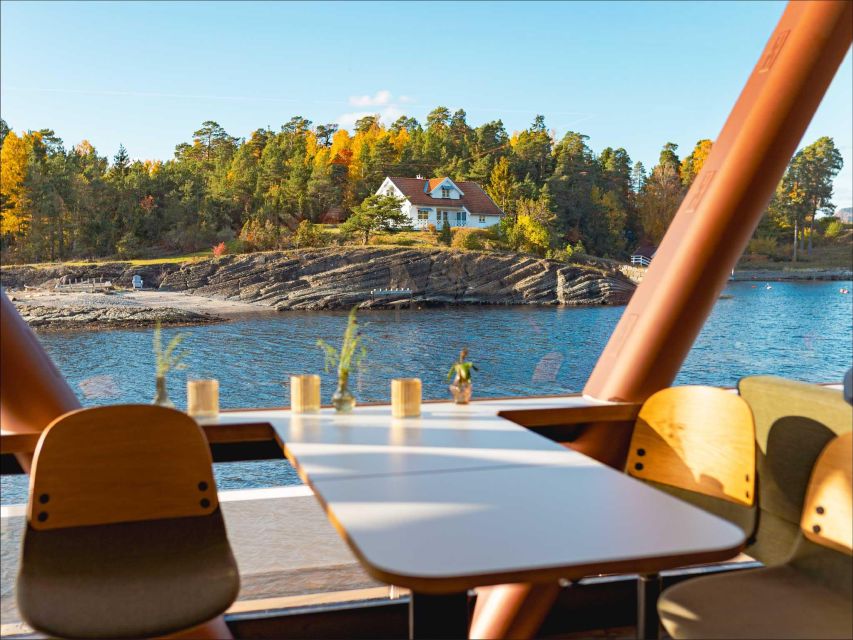
The cruise also turns toward Bygdøy Peninsula, a place people often associate with culture and nature—yet from the fjord it reads as something else: a shift into open water views and softer coastline edges.
Then you reach Hovedøya Island, where the boat passes close enough for real island context. Islands in a fjord aren’t just “pretty shapes.” They affect wind, water movement, and the way the coastline frames the city. From the sea, that becomes obvious in a way you can’t get from a street-level viewpoint.
This section is also where you may notice the overall rhythm of the cruise: it’s not frantic. The boat continues at a pace that lets you watch, listen, and move when you want. Some reviews highlight how relaxing the trip is, partly because the group doesn’t feel packed and there are multiple vantage points.
On at least one departure, the captain Eric is mentioned for making a kid’s day by letting a child pilot the boat for about ten minutes. That kind of moment doesn’t change the skyline, but it does add a human warmth that makes the cruise feel less like sightseeing-only.
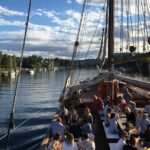
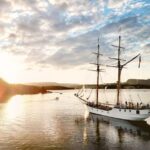
Onboard comfort: decks, warm rooms, cafe snacks, and quiet joy
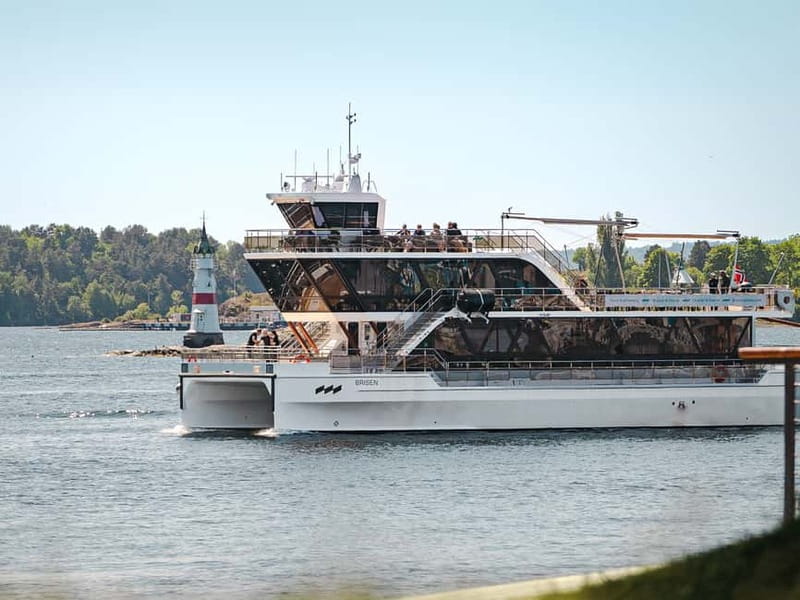
Let’s talk about the details that make a two-hour cruise comfortable instead of just “nice.”
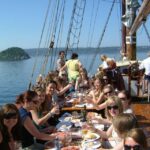
You’ve got outdoor deck space if the weather behaves, and warm indoor saloons if it doesn’t. Multiple notes point out that even on rainy days, the inside areas still give excellent views through panoramic windows. That’s huge. In many wintery destinations, a cold boat trip becomes a compromise: you either freeze outdoors or give up on seeing. Here, the layout helps you keep both.
The boat also works for different travel styles. There’s space to spread out, and people mention the arrangement supports roaming rather than staying fixed in a single spot. If you’re traveling with kids or just want flexibility, this matters.
Then there’s the cafe. Tap water is included, but food and drinks are purchase-only. That’s not a problem on its own—if anything, it gives you control over your budget. Just plan ahead if you want a treat: people specifically mention waffles and cinnamon buns, along with hot drinks and alcohol options like beer and wine.
Also, some departures include music like soft jazz, which pairs surprisingly well with a quiet electric ride. It’s not constant party energy. It’s background atmosphere.
Price and value for a 2-hour Oslofjord cruise at $51
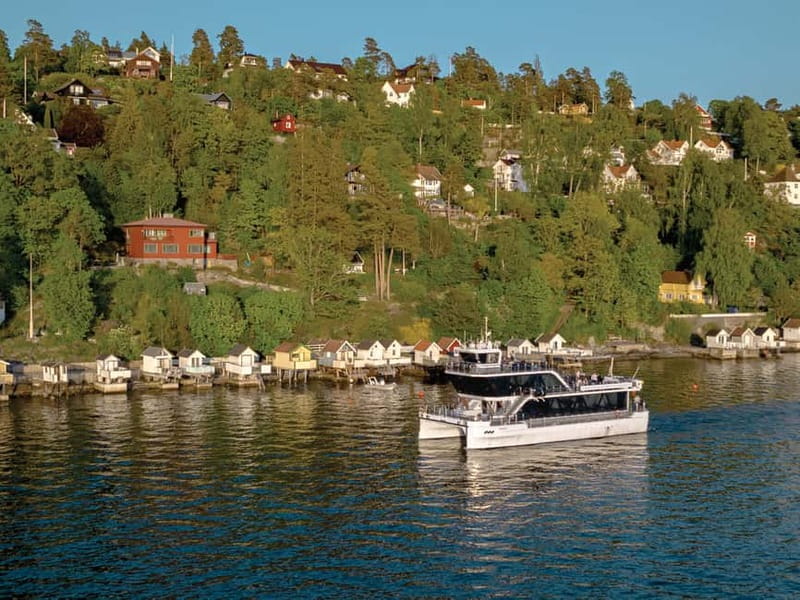
At $51 per person for about 2 hours, this falls into the “worth it if you want guided, panoramic sightseeing” category. The main value isn’t just the boat—it’s what the boat makes possible.
Here’s what you’re paying for, in practical terms:
- Live English guide narration tied to what you’re passing
- 100% electric cruising (meaning the quiet factor is part of the product)
- Warm indoor access so weather doesn’t wreck your plans
- Scenic routing that hits the major Oslofjord highlights without making you switch modes
- Tap water included, plus an onboard cafe for extras
Could you do a less expensive cruise? Sure, but you’d likely trade away guidance and the close-to-sights routing. And if you’re in Oslo for a short stay, spending two hours with a guide helps you compress learning. You come away with a better sense of why landmarks sit where they do, and how Oslo’s waterfront functions as a living edge, not a backdrop.
One consideration: because snacks and drinks aren’t included, the final spend can rise if you order café items. Still, most people find the cafe prices reasonable enough to enjoy without turning the trip into a restaurant bill.
When to go: weather-smart tips for your Oslofjord timing
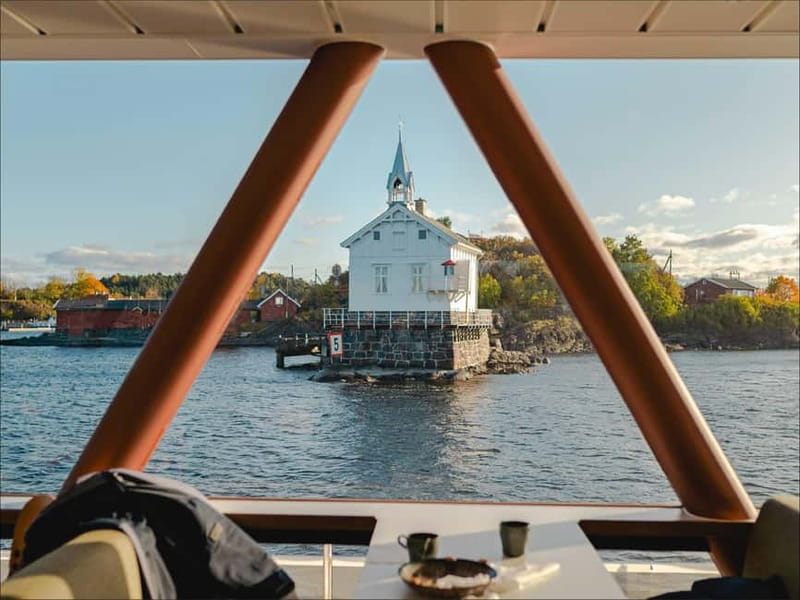
Oslo fjord weather is honest. It changes. That’s why this cruise is built for mixed conditions: you can stay outside when it’s comfortable and step inside when it’s not.
My advice is simple:
- If it’s cold or rainy, dress in layers you can adjust quickly. The boat’s indoor areas help, but outdoors still matters for the best shots.
- Bring a camera strap or waterproof phone pouch. You’ll be near water and sometimes the dock areas can feel damp.
- Aim for the start time with enough buffer to find the dock calmly. Rådhusbrygge 2 is easy to miss if you arrive late and rush.
The quiet electric ride also helps in poor visibility. When it’s foggy or overcast, you may lose distance views, but you’ll still get close landmark framing, guide context, and a calm ride that doesn’t feel chaotic.
If you’re choosing between morning and afternoon, go with the option that fits your day. The core value stays the same: you’ll get the Oslofjord highlight sweep plus live commentary.
Who should book this silent electric fjord cruise?
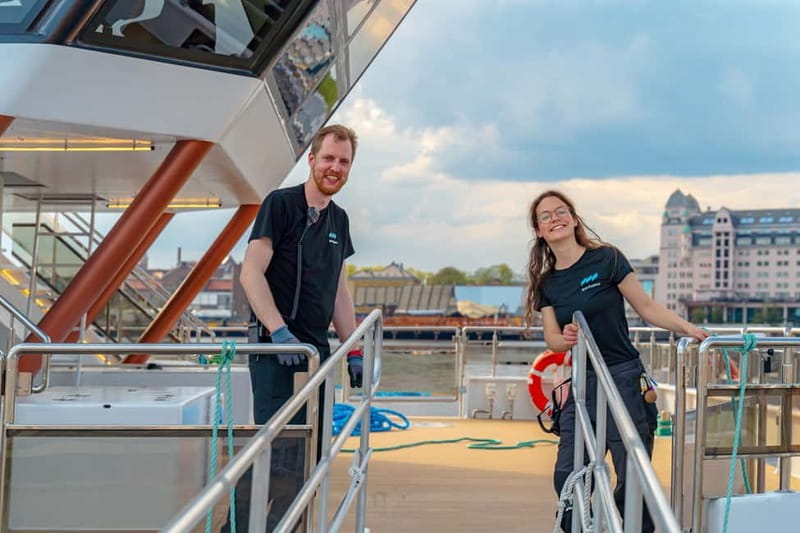
This is a great match if you want:
- A guided introduction to Oslo from the water
- Comfort on a short schedule (two hours is ideal for first-time visitors)
- A quiet cruise that doesn’t drown the stories in engine noise
- Scenic viewing without having to navigate islands or ferry connections yourself
It may not be the best fit if you’re hoping for lots of walking time on islands or a longer day trip with extended shore exploring.
Families can do well here too. The boat layout supports movement, and there’s at least one documented moment where a child got a chance to pilot the boat briefly. If you travel with strollers or mobility needs, the tour is wheelchair accessible, which is a real plus.
Should you book this Oslofjord cruise or skip it?
Book it if you want a high-value, guide-led “see Oslo’s waterfront for real” experience without the usual noisy cruise feel. The quiet electric boat, the close pass of major sights, and the warm indoor fallback make it a strong choice across seasons.
Skip it only if you’d rather spend your money on a longer shore-based tour where you can get off the boat for extended periods. For most people—especially first-timers—this is one of the smartest ways to learn Oslo’s fjord in a short time.
FAQ
Where does the cruise depart?
You’ll meet at the boat docked by Rådhusbrygge 2, just before Piren restaurant. Arrive about 15 minutes early.
How long is the Oslo fjord cruise?
The experience lasts 2 hours.
Is the boat fully electric or silent?
The cruise is described as 100% electric, and the ship is a silent hybrid-electric boat.
Is the tour in English?
Yes, the live guide provides the tour in English.
Are food and drinks included?
No. Food and beverages are available for purchase on board, including freshly baked goods and soft drinks.
Can I stay warm if the weather is bad?
Yes. You have access to warm indoor areas, plus outdoor deck space if conditions allow.
Is the tour wheelchair accessible?
Yes, the activity is listed as wheelchair accessible.
What sights does the cruise highlight?
The tour route includes places like Akershus Fortress, the Oslo Opera House, Dyna Lighthouse, bathing houses, islands, and also areas such as the Oslo Fjord Sauna.
Can I cancel and get a refund?
There is free cancellation up to 24 hours in advance for a full refund.