REVIEW · OSLO
Oslo: Scenic Fjord Cruise with Audio Guide Commentary
Book on GetYourGuide →Operated by The Fjords DA · Bookable on GetYourGuide
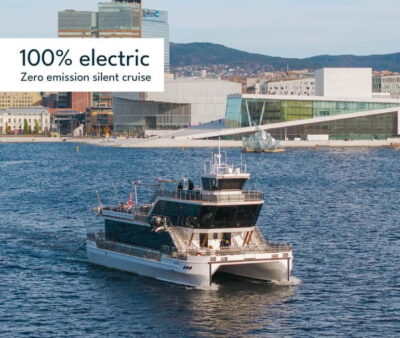
Silence on the fjord makes Oslo feel bigger. This 1.5-hour electric cruise slips through the inner Oslofjord near the city, with views that feel very different from any street-level walk.
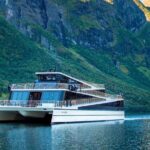
I love two things most: the panoramic windows and the quiet ride. Whether you stay inside in the lounge or step out on the fully accessible deck, the scenery just keeps unfolding.
One thing to plan for: you’ll want to bring headphones for the audio guide, and the sound can be trickier to catch from outside areas.
In This Review
- Key things to notice before you go
- Why this electric Oslofjord cruise feels calmer than most boat trips
- Where to meet: Oslo Opera House to the dock (easy to find)
- The boat experience: warm lounge, big windows, and room to move
- Voice of Norway audio guide: how to use it without fighting your phone
- The route in real life: what you’ll see as you pass Oslofjord landmarks
- Starting point: Oslo Fjordhage dock area
- Akershus Fortress: the medieval-castle vibe from across the harbor
- Aker Brygge: modern harbor life meets the fjord
- Bygdøy Peninsula: where the city touches the green
- Gressholmen: a smaller island moment that feels local
- Hovedøya Island: quiet shoreline energy
- Sørenga: modern waterfront living from the sea
- Oslo Opera House: a final iconic view before you return
- Price and value: is $44 worth it in Norway?
- Onboard food and drinks: what you can expect to buy
- When to go and what to wear on deck
- Who should book this cruise (and who might want a different option)
- Should you book this Oslofjord electric cruise?
Key things to notice before you go
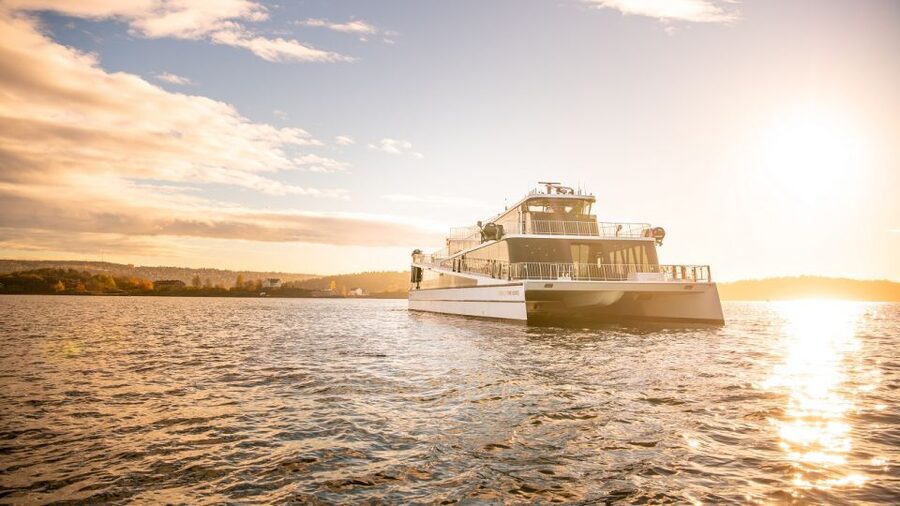
- Electric ship, real quiet: You’re cruising without engine roar, which makes the whole experience feel calm.
- Panoramic windows + deck space: You’ll have options for photos, fresh air, or staying warm.
- Voice of Norway audio in 6 languages: Pick up the app and follow along on your phone.
- Inner Oslofjord route: It’s about city-close islands and everyday Oslo waterfront life, not giant cliff drama.
- Wi‑Fi onboard: Handy if you need help with the app before you settle in.
- Great value for Norway prices: At around $44 for 90 minutes, it’s a sensible splurge.
Why this electric Oslofjord cruise feels calmer than most boat trips
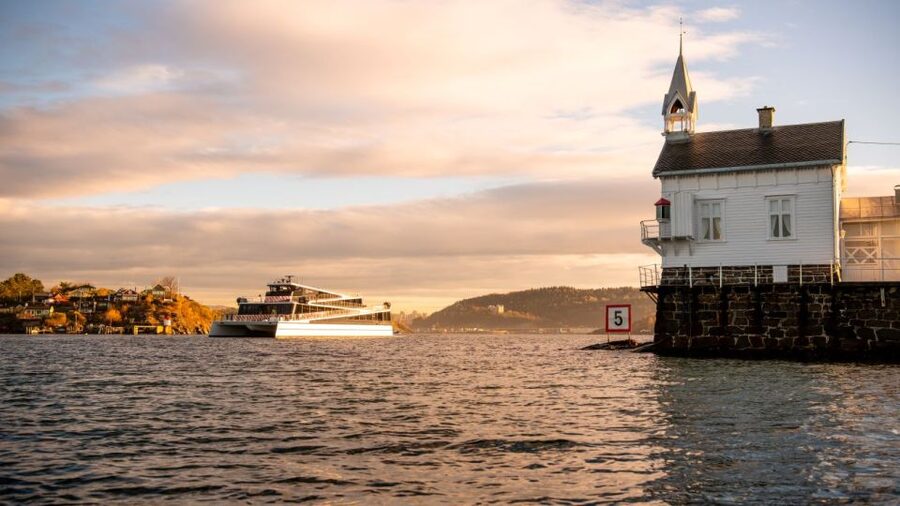
Oslo’s waterfront is easy to love. The problem is, it’s also easy to miss the fjord itself while you’re bouncing between museums, parks, and city blocks. This cruise solves that fast. You trade pavement for water and get a moving viewpoint right away.
The electric part is not just marketing. With a quieter boat, you hear the rhythm of water and wind more than machinery. The result feels less like a party cruise and more like a floating sightseeing session. It’s especially nice if you’re traveling with mixed ages or just want an easy win early in your trip.
You also get a simple structure: you head from the central docks out into the inner Oslofjord, pass key waterfront spots, and come back. That makes it a smart choice when you don’t have a full day to spare.
You can also read our reviews of more tours and experiences in Oslo.

Where to meet: Oslo Opera House to the dock (easy to find)
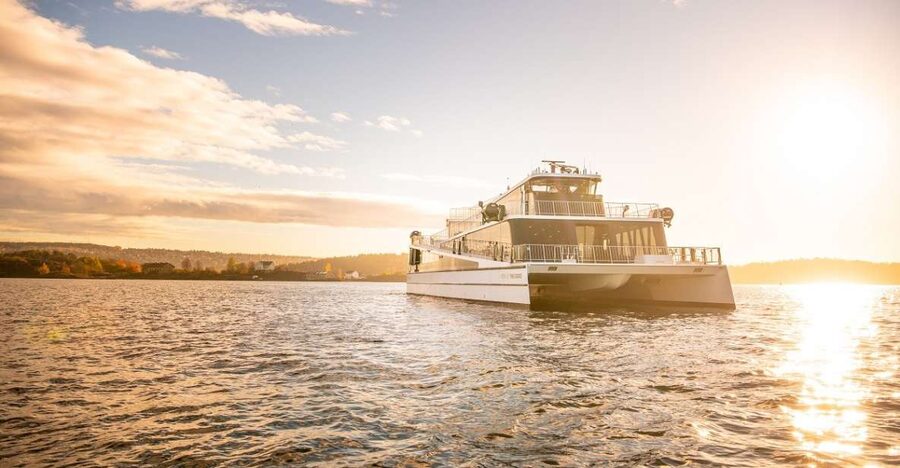
The meeting point is opposite Oslo’s Opera House area, a short walk from Oslo Central Station. This is one of those practical details that matters more than you’d think. You don’t want a scenic day trip that starts with stress.
If you’re building your day around this cruise, treat it like an anchor. Grab a coffee before you go, then head straight to the dock across from the Opera House. You’ll also find it’s easy to tack onto other central sightseeing, since you’re starting and ending right in the same general part of town.
The boat experience: warm lounge, big windows, and room to move
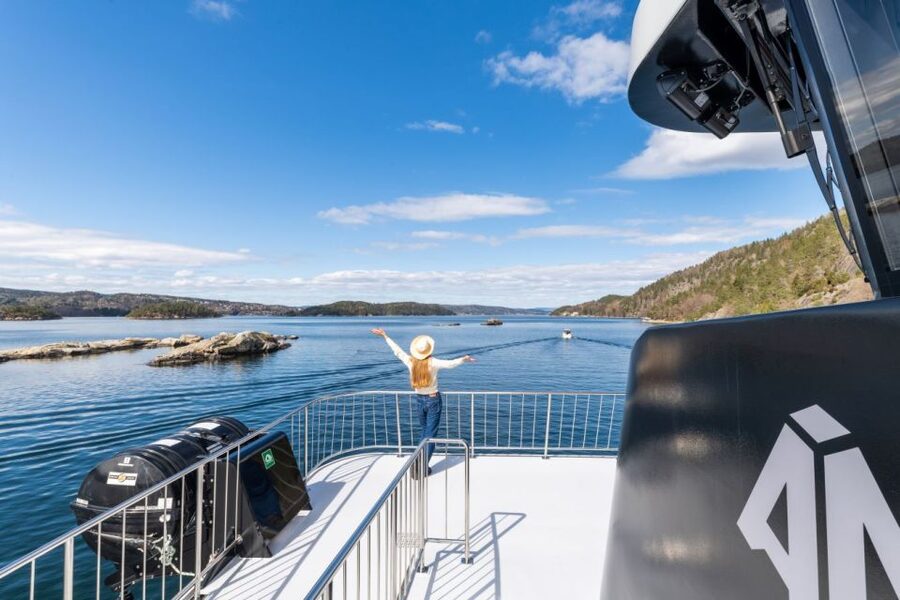
From what you can expect on board, the ship is designed for comfort and viewing. The lounge has panoramic windows, and the deck is roomy enough to circulate and get photos without feeling stuck behind other people.
In winter, this matters even more. Reviews note that the boat stays warm inside and you can also step outside when you want the full wind-in-your-hair experience. If it’s cold out, you’ll probably do a mix: short bursts outside for photos, then back inside for a more comfortable ride.
The boat is also described as clean and modern, with good on-board facilities. That reduces the usual “we’re stuck on here” stress you can get on longer tours. For a 1.5-hour outing, comfort still counts, and this one seems to deliver.
Voice of Norway audio guide: how to use it without fighting your phone
The cruise includes an audio guide available in six languages, delivered through the free Voice of Norway app on your smartphone. The listed languages are English, Spanish, French, Italian, Norwegian, German, and Chinese.
The best tip here is also the most basic: bring headphones. Headphones aren’t included, and the audio is the point if you want the story behind what you’re seeing. One downside that pops up in feedback is that the audio can feel a bit cumbersome, or less audible in some outdoor spots. So expect a better experience if you’re ready to listen from inside or from a spot protected from wind.
Also, set yourself up before you start cruising. Once you’re moving, it’s harder to adjust your phone and find the right audio track. Reviews mention the setup can take a moment, so do it early while you’re still loading.
The route in real life: what you’ll see as you pass Oslofjord landmarks
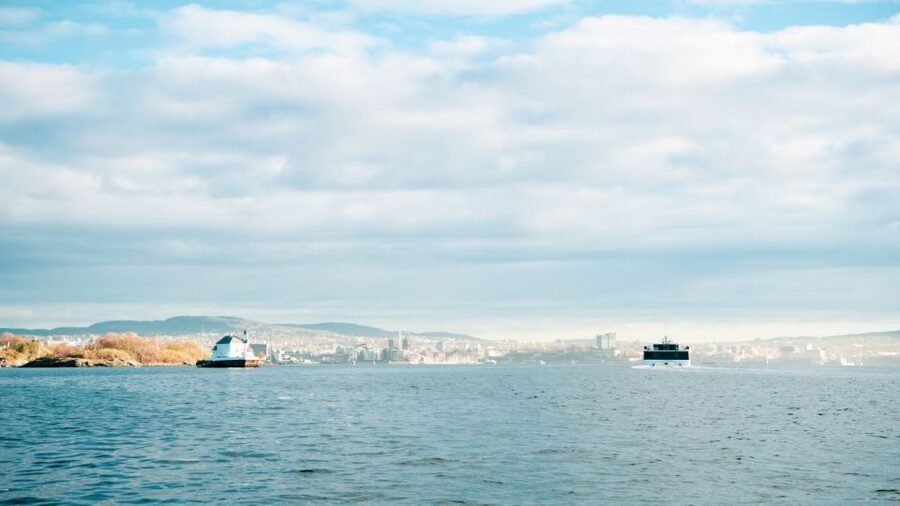
This is an inner Oslofjord route, meaning you’re close enough to the city to get context fast. You’ll see islands, waterfront neighborhoods, and signature Oslo sights from the water. What you won’t see as much of is dramatic high-cliff fjord scenery. If you’re hoping for towering vertical walls, you may find the vibe more “coastal Oslo with islands” than “movie fjord.”
Here’s how the drive-by rhythm works as you go, in the order you’ll experience it.
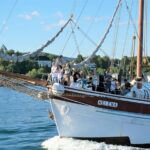


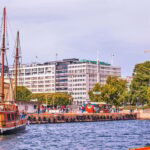

Starting point: Oslo Fjordhage dock area
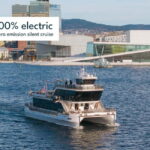
You start at Oslo Fjordhage. This is one of the reasons the cruise is so easy: you’re not commuting across town for a remote boarding spot. You’re already in the heart of things, near the Opera House.
From here, you get a quick transition from city hustle to water views. It’s a good mental switch even if you’re only on the water for 90 minutes.
Akershus Fortress: the medieval-castle vibe from across the harbor
As you pass Akershus Fortress, you’ll get a classic landmark view that’s hard to replicate from the street. Fortress walls and waterfront waterlines look different when the boat is moving parallel to the shore.
If you like history, it gives you instant anchors for where you are. The only real drawback is that it’s a pass-by. You’ll see it, not study it. Plan to pair this cruise with some on-land exploring later if fortress details are your thing.
Aker Brygge: modern harbor life meets the fjord
When you glide past Aker Brygge, you’re watching Oslo’s blend of tourism, dining, and working harbor energy. From the water, the waterfront architecture lines up into cleaner shapes, and the activity along the docks reads more clearly.
This is a great stretch for photos, especially if the light is good. If it’s windy, you’ll still be able to shoot from inside, but you’ll get the “real” harbor feel from the deck for a few minutes.
Bygdøy Peninsula: where the city touches the green
Bygdøy Peninsula adds a softer tone. Instead of straight harbor edges, you get a more varied coastline feel—built areas mixed with the greener edge of the peninsula.
This part of the route helps you understand Oslo’s geography. The city doesn’t just sit by water; it presses right up against it in a way that makes the fjord feel like part of daily life.
Gressholmen: a smaller island moment that feels local
Passing Gressholmen gives you a more island-forward scene. Smaller islands near the inner fjord tend to look “closer” than distant scenery, even when nothing dramatic is happening.
It’s a reminder that this route is about the fjord close to home. If you want wild isolation, look elsewhere. If you want real local water scenery with islands that feel reachable, this delivers.
Hovedøya Island: quiet shoreline energy
With Hovedøya Island in view, the cruise shifts again—more shoreline, more island edges, and a calmer feeling overall. It’s the kind of sight that works whether you’re actively listening to the audio or just letting your brain rest for 90 minutes.
One good strategy: if the wind is pushing you back inside, use the window lounge time for audio listening. If the day is bright, step out during the island stretches for the best contrast and photos.
Sørenga: modern waterfront living from the sea
Sørenga brings the modern Oslo waterfront vibe back into frame. From the water, it’s easier to see the relationship between buildings, promenades, and the shoreline design.
This is also a good section to enjoy the “from a different perspective” payoff. You’ll likely notice details you miss on foot—angles, spacing, and how people use the waterfront.
Oslo Opera House: a final iconic view before you return
As you pass back toward the Oslo Opera House area, you close the loop. Seeing the Opera House from the fjord is a satisfying finish, because it ties your cruise back to the most recognizable landmark near the meeting point.
Then it’s back to Oslo Fjordhage for the return. The total time stays tight at about 1.5 hours, which is ideal if you want fjord views without losing half a day.
Price and value: is $44 worth it in Norway?
At about $44 per person for 90 minutes, this cruise is priced like a reasonable “pay for convenience” activity in Norway. And that matters, because Norway can feel pricey fast once you add transit, meals, and museum tickets.
What makes it feel like good value is the mix of benefits: you get a modern electric boat, strong viewing time, an included multi-language audio guide (via app), and onboard Wi‑Fi. Even the ability to stay warm inside while still enjoying panoramic views reduces the usual “I paid for weather” risk.
If you’re looking for the cheapest way to see the fjord, you might find cheaper options. But if you want comfort, a clear route, and a story while you ride, this is the kind of option that actually saves time and mental energy.
Onboard food and drinks: what you can expect to buy
Food and drinks are not included, but they can be purchased onboard. Based on the experience descriptions, there’s a bar/café setup with options like hot beverages and snacks, and in at least some sailing contexts, there’s also mention of cava.
This is helpful because winter cruises can be long enough that a warm drink makes a difference. It’s also nice for summer: you can snack, sit by the window, and treat the ride like a moving break from sightseeing.
When to go and what to wear on deck
The biggest factor is weather and wind. Reviews explicitly flag wind as something to plan for, and that makes sense on open water—even in sheltered inner fjord routes.
Bring layers. Even on an electric, quiet boat, you’ll feel the air when you step outside. The good news: there’s a warm interior lounge, so you can always alternate between deck and windows.
If you’re aiming for standout light, consider timing around sunrise or calmer daylight hours. Some departures have been enjoyed for those softer views, and the fjord tends to photograph better when the light is kind.
Who should book this cruise (and who might want a different option)
This cruise is a strong match for:
- First-time Oslo visitors who want fjord views without complicated travel
- People who get tired of walking and want a low-effort sightseeing block
- Families or mixed groups who need comfort and easy pacing
- Anyone who likes the idea of pairing visuals with audio context in multiple languages
You might consider a different boat option if:
- You’re expecting dramatic, far-out fjord scenery with tall cliffs
- You hate using apps and prefer purely spoken narration
- You’re very sensitive about audio clarity outdoors, since sound can be harder to catch in open deck areas
Should you book this Oslofjord electric cruise?
If you want a calm, scenic 90 minutes that’s easy to fit into an Oslo itinerary, I think this one is an easy yes. The electric quiet matters, the boat layout supports real viewing, and the Voice of Norway audio guide makes the route feel more meaningful than just a pretty ride.
Book it if you like comfort and want your fjord education with minimal fuss. If you go, do two things for the smoothest experience: bring your own headphones, and get the app ready before you settle into the ride.