REVIEW · OSLO
Oslo: Best of Oslo Walking Tour & Fjords Sightseeing Cruise
Book on GetYourGuide →Operated by Vox City Walks · Bookable on GetYourGuide
Oslo has a funny way of surprising you—city first, then water. I like how this package pairs a guided Best of Oslo walk with an open-top fjords cruise, so you get architecture, big landmarks, and shoreline scenery in one go. Two standouts for me are the way the walking guide connects places like Karl Johan Street and the Norwegian Opera House to the story of the city, and the cruise’s variety of sights, from Hovedøya to Bygdøy beaches. The main drawback to plan around: you’re on your feet for two hours, so comfortable shoes matter.
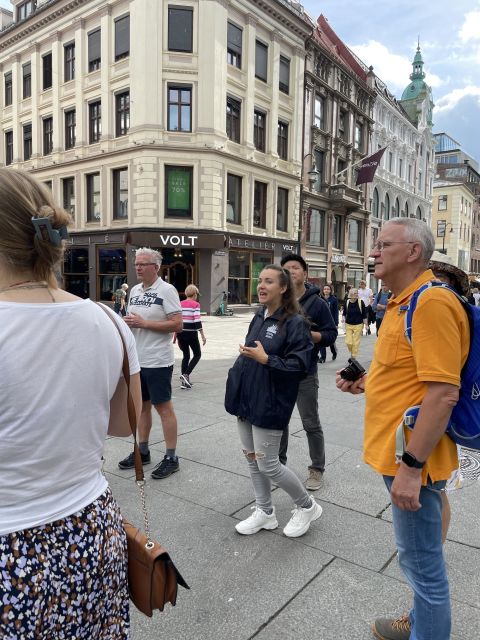
On the walking side, I appreciate that the route sticks to recognizable Oslo highlights rather than making you hunt for them on your own. I also like the small group size (up to 10), which keeps questions and photo stops from feeling rushed. The cruise portion brings a different pace—more sitting, more sea air, more chances to compare skyline views from the water—just know it ends back where you started, so you’ll want to build your day around that.
In This Review
- Quick Take: Best of Oslo Walk + Fjords Cruise (What You’re Really Buying)
- Key Highlights I’d Put at the Top
- Starting at University Aula: The Walk Sets the Tone Fast
- The 2-Hour Walking Tour: Parliament to Opera House Without the Guesswork
- Architectural landmarks and the 19th-century vibe
- The Parliament and the Grand Hotel area
- Karl Johan Street: Oslo’s main “story street”
- Oslo’s nickname: the Tiger City
- The Norwegian Opera House: modern architecture you can feel
- Christiania and the name change story
- City Hall: Nobel Peace Prize energy
- Cruise Time: 2 Hours of Fjords Views on an Open-Top Vessel
- Hovedøya and Dyna Lighthouse: named islands, clear visuals
- A second look at the Opera House
- Bygdøy Peninsula and the museum-and-beach approach
- What the Guide and Small Group Really Change
- Included Extras That Add Value (Not Just Marketing)
- Price and Value: Is $82 Worth It?
- Who This Tour Fits Best
- Should You Book This Oslo Combo?
- FAQ
- What time does the tour start?
- How long is the full experience?
- Where do I meet the guide?
- What languages are available for the tour?
- Is this experience wheelchair accessible?
- What should I bring?
- Is there free cancellation?
Quick Take: Best of Oslo Walk + Fjords Cruise (What You’re Really Buying)
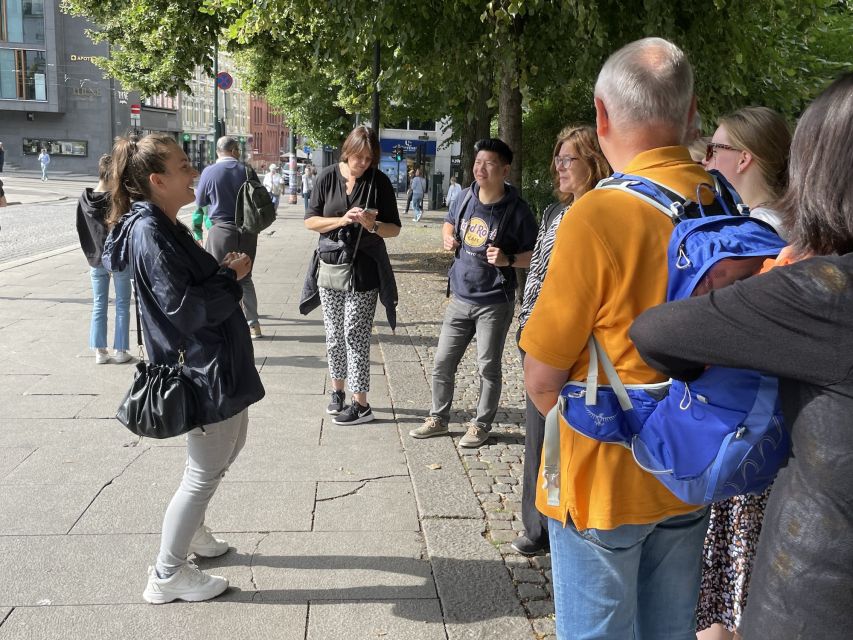
You’re paying $82 for a tight combo that covers two very different “Oslo moods.” The walking tour is about meaning—democracy, culture, and how neighborhoods earned their names—while the fjords cruise is about perspective—how the coastline and islands frame the city.
Because it’s a 4-hour experience total (2 hours on foot, 2 hours on the water), it’s a smart choice when you want a guided foundation fast. It’s also a good fit if you’d rather see the Opera House and Parliament up close, then relax while the views keep coming.
Key Highlights I’d Put at the Top
Small group pace: limited to 10 participants, so you can ask questions and keep moving at a human speed.
Landmarks with context: Parliament, the Grand Hotel area, Karl Johan Street, and City Hall each come with a story you can actually remember.
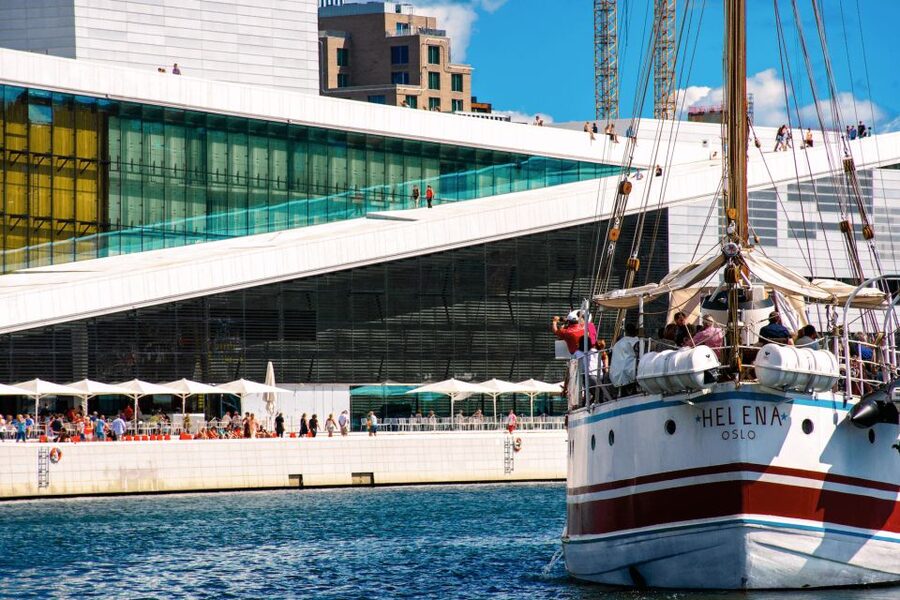
Opera House from two angles: you’ll see the Norwegian Opera House both on the walk and again from the water.
Photo-friendly coastline stops: shoreline views tied to museums and islands you can name, not just scenery you pass.
Cruise variety on a historic vessel: islands like Hovedøya and Dyna Lighthouse plus Bygdøy sights and beaches like Huk.
Guide support + audio options: live guide in English plus an audio guide in English, Spanish, French, Italian, and German.
You can also read our reviews of more tours and experiences in Oslo.


Starting at University Aula: The Walk Sets the Tone Fast
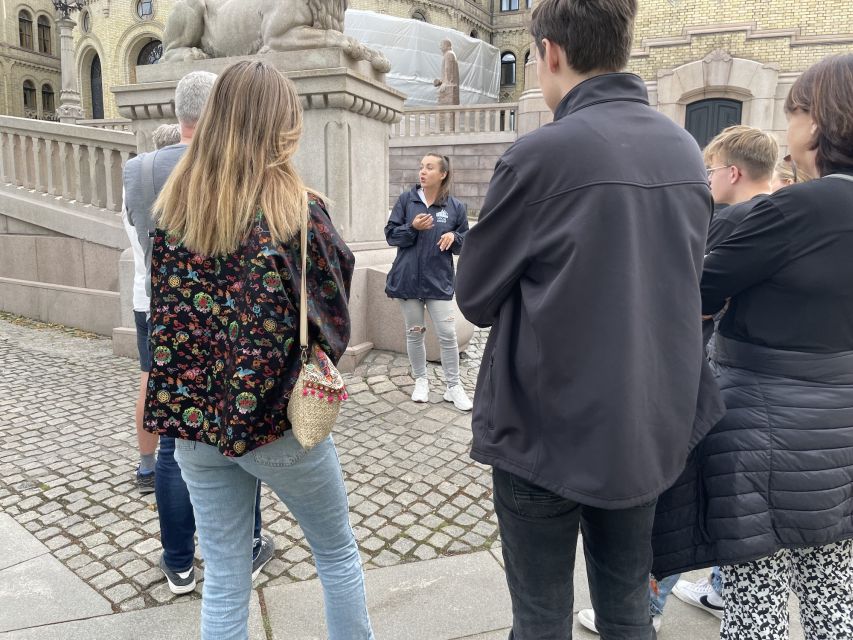
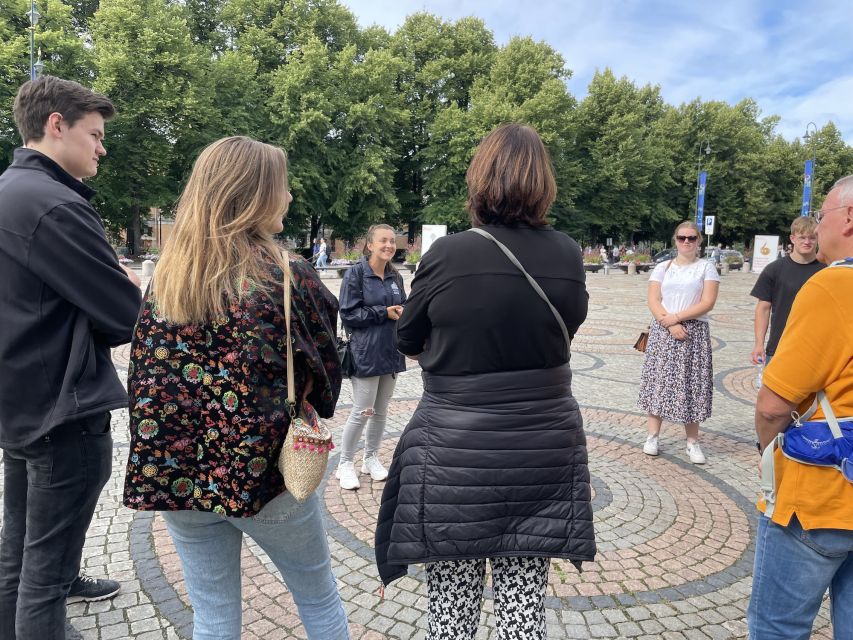
The tour begins at University Aula, Karl Johan Str. 47, near the statue of P.A. Munch, right by where the tours depart at 10:00 AM. This is one of those starting points that makes sense: Karl Johan’s central area gives you immediate access to the city’s big landmarks without a long commute.
From the start, the goal is clear. You’re not just “seeing Oslo.” You’re learning the logic behind where things are and why they’re important. That matters because Oslo’s mix of classic and modern can feel random if you’re only scanning for photos.
Practical tip: keep your charged smartphone ready. The experience includes a complimentary sightseeing mobile app, and you’ll likely use your phone both for reference and for snapping photos between stops. Also bring an umbrella—even if the forecast looks fine, Oslo weather can change quickly.
The 2-Hour Walking Tour: Parliament to Opera House Without the Guesswork
This part runs about 2 hours and it focuses on Oslo’s recognizable “center” plus the city’s major institutions. The walk is designed like a story: politics and power, famous streets, then modern culture, then the ceremonial site that’s known worldwide.
Architectural landmarks and the 19th-century vibe
You’ll start with architectural wonders tied to the 19th century. That timing is useful because it explains why certain buildings feel formal and monumental, even when you’re walking through a normal city day. When a guide points out style and intent, you stop seeing facades as decoration and start seeing them as choices.
The Parliament and the Grand Hotel area
You’ll pass the majestic Norwegian Parliament, described as a symbol of democracy. Even if you’re not a politics person, I find this kind of stop helpful because it gives the city a spine: Oslo isn’t only about fjords; it’s also about governance and public life.
Right along the same theme, you’ll also hear about the Grand Hotel. That blend—public institutions and prominent hospitality—shows how Oslo centers itself for visitors and dignitaries. It also helps you understand why the city’s core feels “official” in a good way.




Karl Johan Street: Oslo’s main “story street”
You’ll walk along Karl Johan Street, which the guide frames as a lively, active part of town. This is where you get your bearings. You can think of it like the tour’s compass: it connects you visually to the sites you’ll keep hearing about, and it gives you a sense of how people actually move through the city.
Oslo’s nickname: the Tiger City
One of the fun things on this walk is learning why Oslo is called the Tiger City. It’s the kind of detail that adds flavor to what would otherwise be a standard sightseeing loop. If you like trivia that doesn’t feel forced, this is a good moment.
The Norwegian Opera House: modern architecture you can feel
Then you’ll get to the Norwegian Opera House, a modern architectural marvel. The tour highlights it as a cultural powerhouse, and I like that the guide doesn’t treat it as just another photo stop. Seeing it as a statement about Oslo’s modern identity makes it hit harder.
This is where the walking tour stops being only “old buildings” and starts showing you the city’s future self.
Christiania and the name change story
You’ll also explore Christiania, described as the historical core, plus the story behind the city’s name change over centuries. I like this stop because it ties geography to identity. It reminds you that cities are people and language changing over time, not just streets on a map.
City Hall: Nobel Peace Prize energy
The walk ends at City Hall, where the Nobel Peace Prize ceremony takes place. The point here isn’t just that it hosts an event—it’s the global significance attached to the building and its role in world attention. If you’re someone who likes meaningful context, this is a strong finale.
Cruise Time: 2 Hours of Fjords Views on an Open-Top Vessel
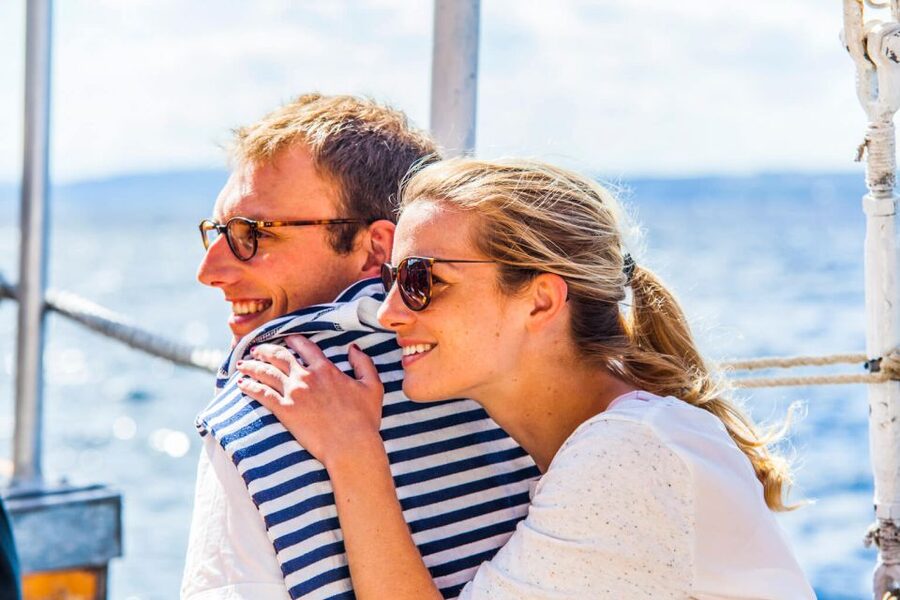
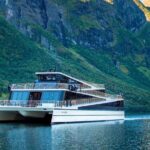
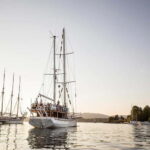
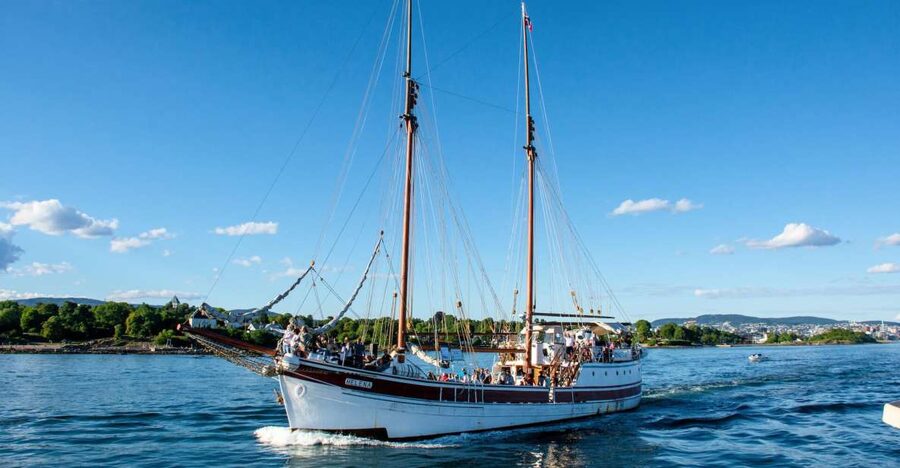
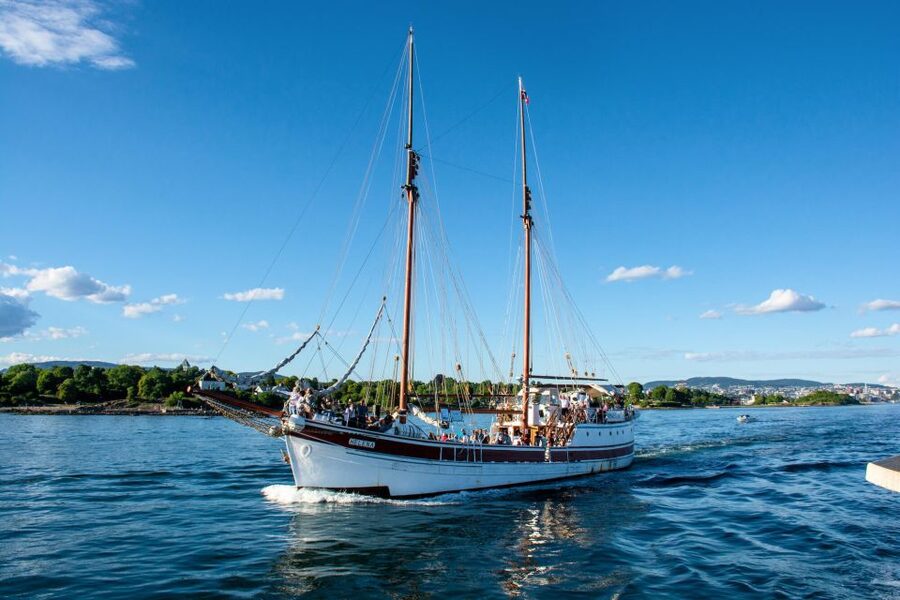
After the walking portion, you switch gears onto a fjords sightseeing cruise. This part runs 2 hours and is on an open-top vessel, which is great for skyline and shoreline photos. It also means you’ll feel the weather a bit more, so your umbrella isn’t just for show.
The cruise itself focuses on Oslo’s water setting: narrow straits, picturesque bays, and isles with summer homes. That’s the big idea—Oslo’s geography turns the city into a coastal scene, not an inland one.
Hovedøya and Dyna Lighthouse: named islands, clear visuals
Along the way, you’ll sail past Hovedøya and the Dyna Lighthouse. I like when boats don’t just provide “pretty coastline.” Named landmarks help you keep track, remember what you saw, and take photos that make sense later.
A second look at the Opera House
As you cruise, you’ll see the Oslo Opera House again from the water. This is one of those “do it twice” experiences that really works. From land, the building reads as a cultural statement. From the water, it becomes part of the city’s edge—how the coastline frames modern Oslo.
Bygdøy Peninsula and the museum-and-beach approach
As the boat approaches the Bygdøy peninsula, you’ll learn about nearby museums and beaches, including Huk beach. This is valuable because it gives you future ideas. If you enjoyed the cruise, Bygdøy is the kind of place you might want to extend your day, and the tour sets you up with the right leads.
You’ll also hear about:
- The Maritime Museum, with vintage sailing ships anchored in a calm, scenic setting.
- The Fram Museum, which features the famous polar exploration vessel Fram.
Even if you don’t hop off for those museums today, it’s smart to get the orientation. You’ll know what you’re looking for if you come back.
What the Guide and Small Group Really Change
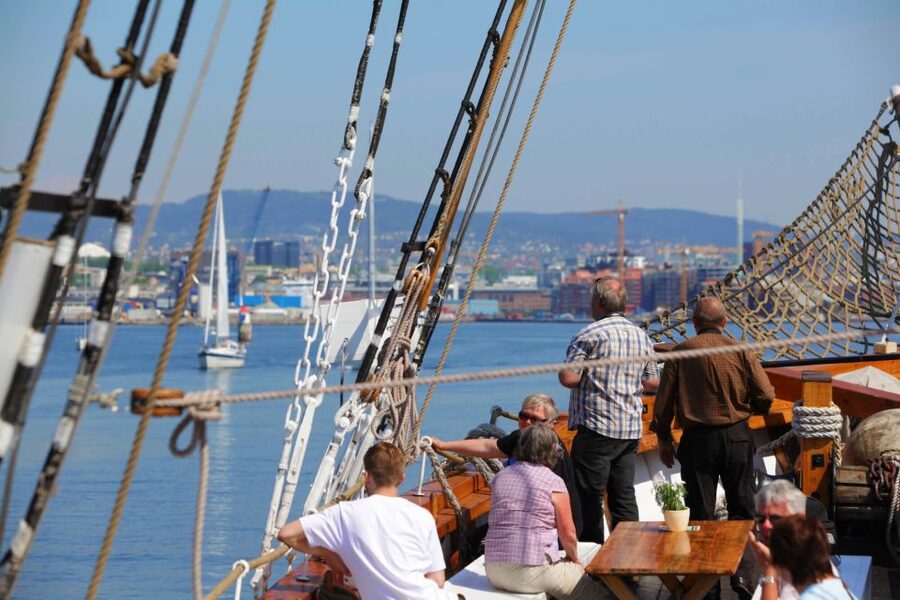
I noticed the biggest quality boost is how the experience is delivered: live guide in English, with a small group limited to 10. With a larger crowd, you tend to get a “listen while rushing” situation. Here, the structure supports slower observation—especially on the walking tour where the guide is pointing out details like symbolism and naming history.
In one of the highlight impressions, the guide Csilla was singled out as knowledgeable and helpful. That matches what this kind of tour needs: not just facts, but clear connections between place and meaning.
Included Extras That Add Value (Not Just Marketing)
This experience includes more than a basic walk-and-ride:
- Complimentary sightseeing mobile app: useful for keeping your bearings and supporting your phone-based photos.
- Audio guide (English, Spanish, French, Italian, German): even with a live guide, this is a nice backup when you want to linger at a landmark or catch a detail you missed.
For $82, these additions matter because they help you turn the experience into real recall, not only a memory of “good views.”
Price and Value: Is $82 Worth It?
At $82 per person, you’re paying for two guided components you’d otherwise have to stitch together yourself: a 2-hour walking tour plus a 2-hour fjords cruise. The value angle isn’t just the total time—it’s the coordination and the fact that the same provider delivers both city context and water scenery.
If you only want the boat, you’d miss the storytelling stops like City Hall and the Opera House context. If you only want the walk, you’d miss the named islands, the shoreline perspective, and the second look at the Opera House.
For many visitors, this combo is cost-effective because it saves planning time and reduces the trial-and-error of finding sights that connect naturally.
Who This Tour Fits Best
You’ll likely enjoy this most if you:
- Want a fast, guided introduction to Oslo’s key landmarks without doing everything on your own
- Like modern architecture as much as classic civic buildings (the Opera House is a major focus)
- Prefer a tour format that includes both movement (walking) and relaxation (cruise seating)
- Are the kind of person who likes knowing what you’re looking at—City Hall, Parliament, Christiania, and the specific fjord islands
If you’re traveling with limited mobility, note that the tour is listed as wheelchair accessible, and the group is small, which can help with pacing.
Should You Book This Oslo Combo?
Yes, I’d book it if you want an efficient “two-sides-of-Oslo” day: the city framed by institutions and streets, then the coast framed by islands and beaches. The tour earns its spot because it gives you repeat viewpoints (especially the Opera House) and it helps you turn scenes into something you can describe later.
I’d think twice only if you have a very low tolerance for walking. Two hours on foot is real time, and comfortable shoes are part of the deal.
If your goal is to see the best of Oslo with a guide and leave with both memories and names you can keep straight, this is a strong pick.
FAQ
What time does the tour start?
The tours depart at 10:00 AM.
How long is the full experience?
It lasts 4 hours total, made up of a 2-hour walking tour and a 2-hour fjords sightseeing cruise.
Where do I meet the guide?
Meet at University Aula, Karl Johan Str. 47, near the statue of P.A. Munch by the entrance.
What languages are available for the tour?
The live tour guide is in English. An audio guide is included in English, Spanish, French, Italian, and German.
Is this experience wheelchair accessible?
Yes, it is listed as wheelchair accessible.
What should I bring?
Bring a charged smartphone, comfortable shoes, and an umbrella.
Is there free cancellation?
Yes, you can cancel up to 24 hours in advance for a full refund.