REVIEW · OSLO
3-Hour Vattkørt Beginner Kayak Course on Oslo Fjord
Book on Viator →Operated by Mad Goats Norway · Bookable on Viator
Paddling in Oslo Fjord feels instantly doable. This 3-hour beginner sea kayaking course is built for first-timers, with all the cold-water gear included and instruction focused on safety plus rescue skills—not just floating around. You’re based right in central Oslo with a small group vibe, so you get time with the instructors instead of rushing through basics.
What I like most is how practical it feels. You learn how to handle your kayak properly, then you practice self-rescue and buddy-rescue techniques in a controlled way. The course also ends with a big deal for future kayaking: you’re issued an NPF våttkort so you can rent kayaks from them and paddle with confidence.
One consideration: the session depends on good weather. If conditions are rough, you may need to reschedule, and you’ll still be in a wetsuit working up a sweat (plus you’ll get wet).
In This Review
- Key highlights you’ll care about
- Where the course starts: Mad Goats in Bjørvika
- The gear setup that makes beginners comfortable
- The 3-hour flow: what you do from start to finish
- Safety first on Oslo Fjord (without killing the fun)
- Paddling basics you can actually use again
- Rescue training: the skills that change your confidence
- Earning the NPF våttkort: what it means for you
- What to expect about timing and group size
- Price and value: is $191.03 fair for a beginner course?
- Who this course fits best (and who might hesitate)
- Quick packing checklist you can copy
- Should you book the 3-hour course on Oslo Fjord?
- FAQ
- Where is the meeting point for the course?
- How long is the beginner kayak course?
- Is the course offered in English?
- What gear is included?
- Do I need to bring swimwear and a towel?
- Do I get a qualification at the end?
- How many people are in a group?
- Is the tour dependent on weather?
- What is the cancellation policy?
Key highlights you’ll care about
- NPF våttkort after the course so you can keep paddling beyond day one
- All gear provided: kayak, paddle, lifejacket, spray skirt, wetsuit, and neoprene shoes
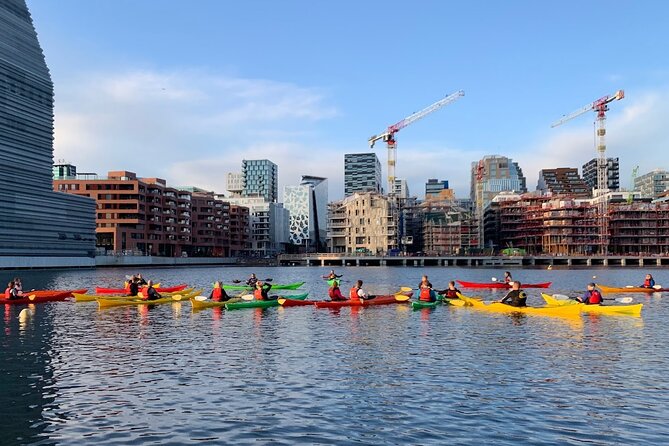
- Small group size (max 9) for more attention and better confidence-building
- Safety and rescue training included: self-rescue and buddy-rescue skills
- Central meeting point in Bjørvika (Mad Goats), near public transport
- Warmth is part of the lesson, with gear designed to keep beginners comfortable
Where the course starts: Mad Goats in Bjørvika
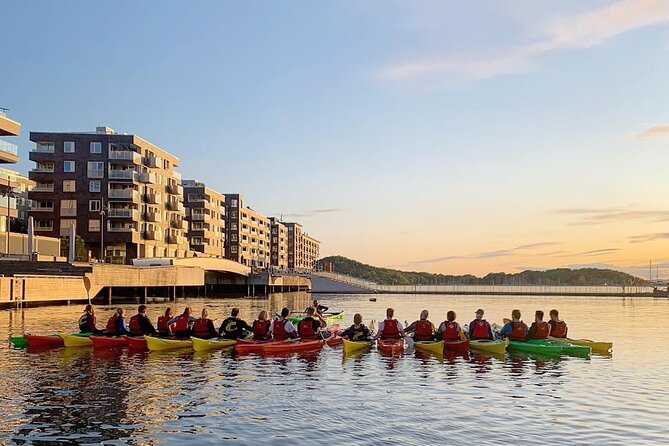
This course is anchored in Bjørvika, at Mad Goats on BjørvikaOperagata. That matters because it keeps the day simple: you’re not commuting far into the countryside just to learn your first kayak strokes. If you’re staying in central Oslo, it’s a straightforward plan—especially since the tour is marked as near public transportation.
Expect a quick rhythm once you arrive. The staff gear you up, explain what’s next, and move you from land basics to water time without dragging the schedule out. Since the course runs about 3 hours, every part of that window is meant to teach you something useful.
If you’re traveling with limited time, this format is a good match. You get a real skill lesson (not a sightseeing-only paddle), then you’re back at the same meeting point to wrap up and head onward.
You can also read our reviews of more tours and experiences in Oslo.

The gear setup that makes beginners comfortable
Sea kayaking in Oslo Fjord can feel intimidating when you picture cold water and strong weather. The course handles that fear with a full kit and a simple philosophy: keep you warm enough to learn.
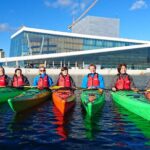
You’ll be provided with:
- Kayak and paddle
- Lifejacket
- Spray skirt
- Wetsuit
- Neoprene paddling shoes
They also provide storage for your belongings, so you’re not juggling bags while changing or preparing. That’s a small thing, but it makes the experience smoother, especially if you’re wearing your own clothes back and forth between shore and changing areas.
What you should bring is also pretty clear:
- Sunscreen
- A towel
- Swimwear
- And they recommend a wool thermal layer under the wetsuit
I like this “layering” advice because it’s practical. Wetsuits work best when you’re not fighting cold air and your own clothes. A warm base layer can make the whole lesson feel less like endurance and more like learning.
One more thing to plan for: you should be ready for a wet day. Even if it’s controlled, you’re training kayaking skills, including rescues. Bring flip-flops or a way to dry off quickly after, if you can.
The 3-hour flow: what you do from start to finish
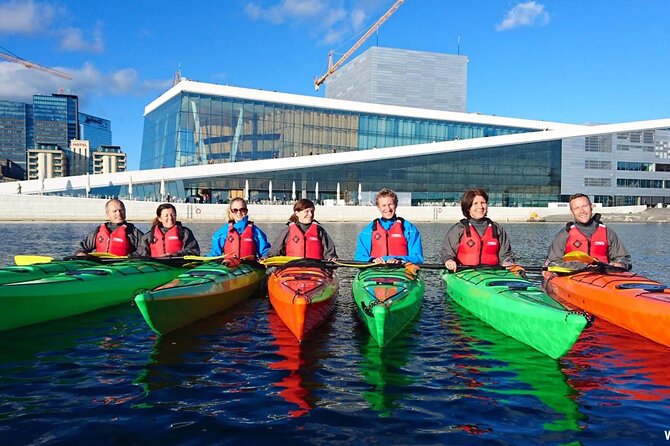
The course is structured around teaching you core beginner sea kayaking fundamentals in a safe environment. You start on land (or in a controlled setup), then move into exercises on the water. The key is that you’re not expected to already know how to paddle well.
Here’s the kind of progression you should expect in the full approx. 3 hours:
- Welcome and gear fitting so you’re properly equipped before you step into the water.
- Water safety briefing—how to stay safe, what to do if something goes wrong, and how to respond as a group.
- Paddling technique basics, taught with attention to control rather than speed.
- Rescue training, including how to rescue yourself and how to help in a buddy scenario.
- A wrap-up that completes the course and triggers your qualification.
They also mention a certified approach and skilled instruction, which you’ll feel in the pacing. Beginners do best when you’re not overloaded. The tone here is clearly meant to help you stay calm, learn fast, and try the moves without panic.
The best part of this timeline is that it doesn’t end when you get the hang of one stroke. It teaches you what to do if things get messy—because that’s what makes sea kayaking feel like a real activity instead of a one-time thrill.
Safety first on Oslo Fjord (without killing the fun)
Safety in a beginner course should be boring on paper and reassuring in real life. This one lands closer to reassuring.
You’re taught:
- Safety on the water
- Proper paddling techniques
- How to rescue yourself and others
That combination is smart. Many beginner experiences either focus only on technique or only on safety. Here, you learn how to move your kayak and what to do when you need help—so your brain doesn’t have to invent a plan in the moment.
The vibe seems intentionally calm. Instructors are described as both professional and relaxed, which matters because nerves are the enemy of learning. If you’re tense, your body fights the paddle and you don’t absorb the instructions.
One name that stands out from the instructor feedback is Filip, who’s credited with making sure participants— including teens—felt safe and completed the exercises. Even if you’re not with him personally, it signals what the teaching style aims to be: steady guidance, clear checks, and a pace you can handle.
Paddling basics you can actually use again
You don’t just get a tour of the water here. You get fundamentals you can reuse later when you rent a kayak.
Since the course focuses on proper paddling techniques, you should expect practice that helps you:
- Find control with your paddle, not just brute effort
- Understand how your kayak responds as you move
- Work your way into turns and adjustments
The lesson is designed for a first time with a paddle. So if you’re thinking you might be too new, good news: that’s the exact audience. You’re guided in a safe, controlled environment, which means you can experiment without feeling like you’re risking everything.
I especially value that the course doesn’t treat technique like a lecture. It’s taught and practiced. That’s how you walk away feeling like you could paddle again tomorrow—not just feeling entertained for a few hours.



Rescue training: the skills that change your confidence
Rescue skills are the real confidence builder in any sea kayaking course. This one includes both self-rescue and buddy-rescue training.
Even if the water looks calm, learning rescue basics matters because it removes the unknown. Once you’ve seen what to do and practiced the sequence, your fear shrinks. That’s the difference between thinking kayaking is scary and knowing you can handle the situation.
The instructors also teach rescue techniques for both you and others. Buddy rescue isn’t just theory; it helps you understand how a group should act if something goes wrong. That’s a huge part of safe paddling, because sea kayaking is often done with friends, and you don’t paddle alone by choice.
If you’re the kind of person who likes competence over luck, you’ll get a lot out of this part of the lesson. It’s also why the course feels “worth it,” even if you only plan to rent once or twice afterward.
Earning the NPF våttkort: what it means for you
After you finish the course, you receive an NPF våttkort. This nationally recognized qualification is specifically mentioned as your ticket to renting kayaks afterward.
That part is more valuable than it first sounds. A lot of beginner experiences end with a certificate you can’t use. Here, the qualification is tied to future access. If you want to keep kayaking at your own pace—solo or with friends—this qualification is what turns the class into an ongoing hobby.
So if you’re asking yourself, Will this be a one-off? The answer is: not if you’re motivated to keep going. The course sets you up for rental paddling soon after, which is exactly how you get value from a skill-based activity.
What to expect about timing and group size
This is a 3-hour experience with a maximum of 9 travelers. That small group limit is a big deal for beginner courses.
With fewer people, instructors can:
- Give clearer feedback
- Check that you’re doing the basics correctly
- Step in sooner if something feels off
Also, it’s offered in English, which makes it easy to ask questions without worrying about missing key safety details. For many visitors, that simple clarity is part of the value.
You’ll also get a mobile ticket, and the activity ends back at the meeting point. Plan your day with a buffer afterward so you can dry off and deal with the wet gear feel—without rushing to your next booking.
Price and value: is $191.03 fair for a beginner course?
At $191.03 per person, it’s not the cheapest thing you can do in Oslo. But it also isn’t just a “try kayaking” photo moment.
You’re paying for:
- Instruction that covers safety and rescue
- A beginner-friendly learning environment
- Full equipment: kayak, paddle, lifejacket, spray skirt, wetsuit, and neoprene shoes
- Storage for your belongings
- The NPF våttkort issued on completion
For me, the value comes down to one question: would you rather rent a kayak and guess, or learn the basics with guidance and leave with a qualification? If you’re a first-timer, the guided option is usually the smarter bet. The equipment package alone reduces the cost and hassle of figuring out what to wear and what to rent.
If you’re the sort of traveler who likes “skills that last,” this price starts making sense fast. You leave with practical competence, not just a story.
Who this course fits best (and who might hesitate)
This beginner course is built for first timers. If you’ve never kayaked, you’re in the right place.
It also makes sense if you:
- Want a structured intro without a complicated skill jump
- Prefer clear safety instruction
- Plan to rent a kayak afterward and paddle with friends
You might hesitate if you:
- Dislike being in wetsuits for hours of active time
- Get stressed by rescue training (even though it’s taught in a safe, controlled way)
- Have a tight schedule that can’t flex if the weather changes
Remember, it requires good weather. Oslo Fjord conditions can shift, so it’s smart to keep your day flexible.
Quick packing checklist you can copy
Here’s what I’d pack for a smooth, no-stress day:
- Sunscreen
- Towel
- Swimwear
- Wool thermal layer (recommended under the wetsuit)
- Anything you’ll want after you get out of the water (dry clothes help)
They don’t list waterproof storage bags, phone case, or glasses straps as included. If you rely on your phone for photos, think about a phone protection plan ahead of time.
They do provide storage for your belongings, which helps. Still, it’s better to assume it’s a wet day and plan accordingly.
Should you book the 3-hour course on Oslo Fjord?
If you’re a true beginner, I think this course is a strong choice. You get real instruction, not just a casual paddle, and you leave with the NPF våttkort so the experience can turn into repeat kayaking rather than a single afternoon.
I’d book it if you want a calm, competent learning environment with gear that keeps you warm and lets you focus on learning. The small group size also helps you feel seen, especially when you’re working through technique and rescue steps.
If you’re sensitive to cold or you hate the idea of getting wet, consider that carefully—but don’t dismiss it out of fear. The gear is part of the design, and the whole course is built around helping beginners learn comfortably and safely.
FAQ
Where is the meeting point for the course?
The course meets at Mad Goats, BjørvikaOperagata, 0194 Oslo, Norway. The activity also ends back at the same meeting point.
How long is the beginner kayak course?
The course lasts about 3 hours.
Is the course offered in English?
Yes. The course is offered in English.
What gear is included?
You’ll be provided with the kayak, paddle, lifejacket, spray skirt, wetsuit, and neoprene paddling shoes, plus storage for your belongings.
Do I need to bring swimwear and a towel?
Yes. You should bring swimwear and a towel. You should also bring sunscreen.
Do I get a qualification at the end?
Yes. After completing the course, you’re issued an NPF våttkort.
How many people are in a group?
The course has a maximum of 9 travelers.
Is the tour dependent on weather?
Yes. The experience requires good weather. If it’s canceled due to poor weather, you’ll be offered a different date or a full refund.
What is the cancellation policy?
You can cancel for a full refund if you cancel at least 24 hours in advance of the experience’s start time. If you cancel less than 24 hours before, the amount you paid will not be refunded.