REVIEW · KETCHIKAN
Misty Fjords National Monument Floatplane Tour
Book on Viator →Operated by Taquan Air · Bookable on Viator
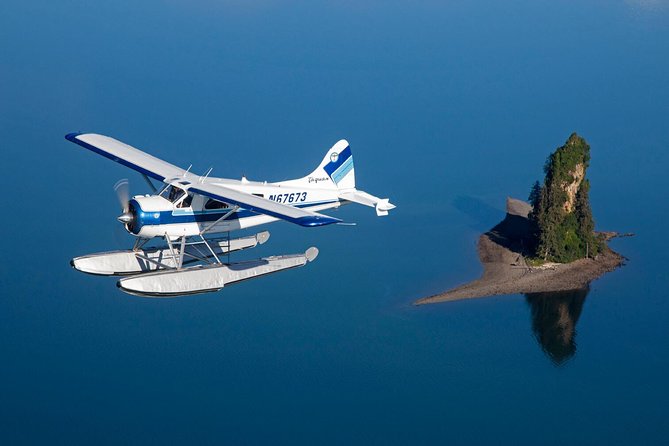
Misty Fjords by seaplane feels like cheating. You’re up close to Tongass National Forest, slicing through mist with a pilot’s live narration, plus music in your headset. I love that it’s a small-group ride (max 12) and that you get a guaranteed window seat for real photo odds.
I also like the practical “get-you-back-on-time” approach. The tour is built around not missing your cruise all-aboard, and the whole day runs with shuttle-style coordination in Ketchikan.
One thing to consider: weather can cancel flights, and a few guests reported late or messy communication in cancellation situations. Fog is the usual villain here, and it can scramble timing fast.
In This Review
- Key things to know before you go
- Why the Misty Fjords route works so well from the air
- Taquan Air and the reality of the 2-hour timeline
- The floatplane setup: window views and headset narration
- First leg: Tongass Narrows, Ketchikan, and Revillagigedo Island
- The Misty Fjords moment: cliffs, fjords, and waterfalls from directly overhead
- Wildlife spotting chances (and how to manage expectations)
- Pilot narration: the big difference between a good flight and a great one
- Getting back to your ship: the stress-free idea (mostly) works
- Price and value: is $349 a good deal?
- Is this tour for you?
- Should you book the Misty Fjords floatplane tour?
- FAQ
- How long is the Misty Fjords floatplane tour?
- Where does the tour start and end?
- Is a window seat guaranteed?
- Are food and drinks included?
- Do you get narration during the flight?
- How many travelers are on the tour?
- What wildlife might you see?
- What kind of weather is required?
- What languages are offered?
- What information do you need to provide when booking?
Key things to know before you go
- Guaranteed window seat in a floatplane setup where views matter most
- Live pilot narration through headsets (with music) to connect scenery to story
- Max 12 travelers for a less crowded feel than big excursions
- Prime route over Tongass Narrows, Revillagigedo Island, and out to Misty Fjords
- Wildlife chances from above including the big names you hope to spot
- Cruise protection promise designed around getting you back in time
Why the Misty Fjords route works so well from the air
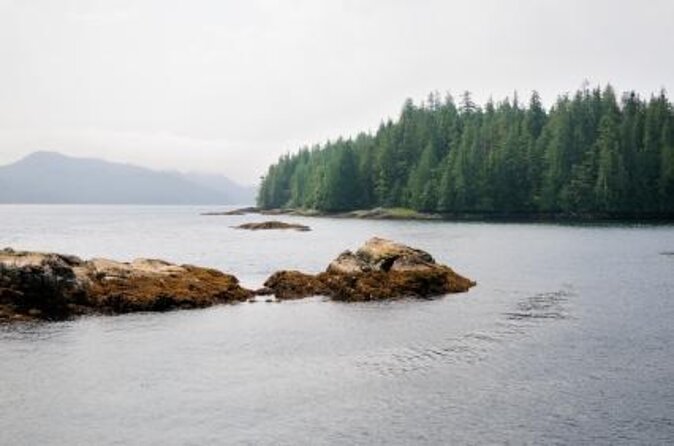
Misty Fjords National Monument is all about dramatic edges—fjords cut deep, rock walls rise straight out of the water, and waterfalls spill down narrow granite corridors. From ground level you can admire it. From a floatplane, you see the whole puzzle at once.
A huge piece of the magic is scale. You’re heading through the Tongass ecosystem, and the region is massive—about 17 million acres in the Tongass National Forest. That size explains why the area can look endless from the sky: forest, water, rock, then more forest again.
And then there’s the weather vibe. The area’s low-hanging mist is part of the name and part of the experience. Even on imperfect days, that fog can soften the cliffs and make the valleys feel even more otherworldly. If you’re the type who likes scenery with mood, you’ll get it here.
You can also read our reviews of more tours and experiences in Ketchikan.
Taquan Air and the reality of the 2-hour timeline
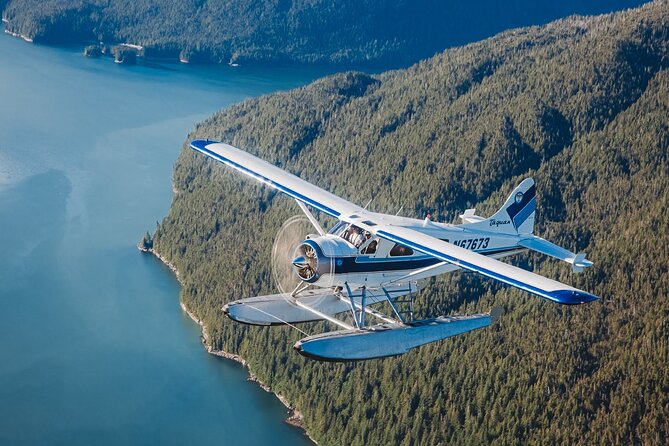
The tour is scheduled for about 2 hours. But what matters is how your day flows from ship to seaplane and back. Some guests noted that the flight time can land closer to about an hour, with the rest of the time spent getting to and from the operator in town.
That’s why the “meet point to Taquan Air” piece matters. You’ll use private transportation (shuttle-style) tied to your cruise location. One useful tip from real experience: plan extra time to move from the dock area into Ketchikan and then on to the floatplane base. If you’re tight on schedule, that gap can catch you off guard.
The good news: once you’re in the air, the time compresses into a lot of scenery. This is one of those tours where the clock feels shorter because you’re staring out the window the whole way.
The floatplane setup: window views and headset narration
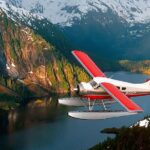
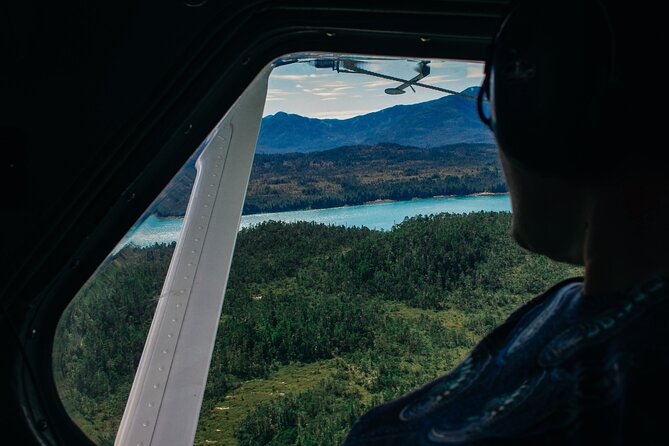
You’re not sitting in a big cabin watching a map. You’re in a plane where the views are the main attraction. The operator guarantees a window seat, which is a big deal in floatplanes where the best angles come and go as the pilot changes course.
You’ll listen through a headset. Your pilot provides live commentary, and there’s also a musical soundtrack mixed in. That combo helps keep the flight from feeling like silence-but-loud-noise. It also means you can still follow what’s happening below while the seaplane hums along.
Now, the one caution: headset audio quality seems pilot- and seat-dependent. A few guests said the pilot’s voice was hard to hear, or that narration felt spotty at moments. If you’re on the quieter side or hard of hearing, bring your own coping style—lean forward, keep your headset snug, and don’t hesitate to adjust it.
First leg: Tongass Narrows, Ketchikan, and Revillagigedo Island
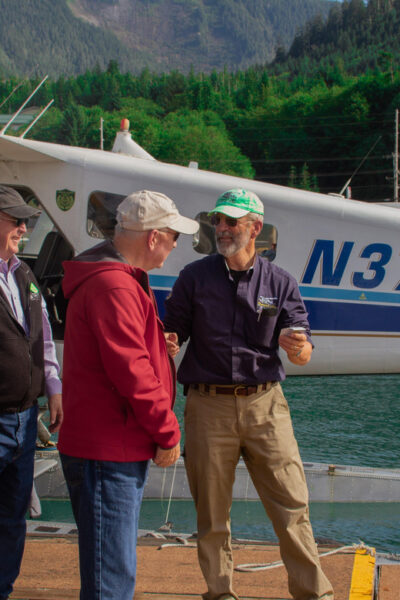
Your day starts in Ketchikan, where you meet the pilot and climb aboard the floatplane. The route begins by ascending over Tongass Narrows, the waterway between Ketchikan and Gravina Island. From there, you’ll fly past Ketchikan itself—so you get the “town on the edge of wilderness” look that Alaska does best.
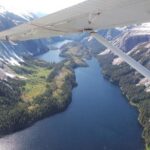
Next comes Revillagigedo Island, including lakes that spread out in a way you don’t really grasp from the dock. This portion is more than transit. It’s where you start stacking up visual clues: coastline shape, how the terrain folds, and how quickly the world changes from civilization to wilderness.
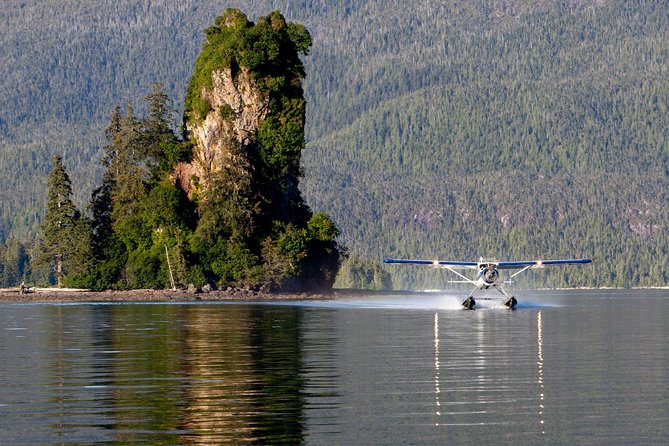
The flying also gives you a “bird’s-eye geography lesson.” One remnant pilots point out is New Eddystone Rock, tied to early volcanic activity. That sort of detail adds payoff to the photos because you can label what you’re seeing instead of just saving pretty pictures.
The Misty Fjords moment: cliffs, fjords, and waterfalls from directly overhead
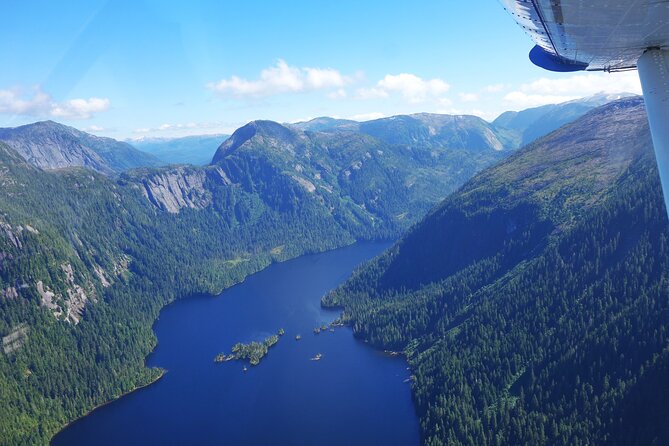
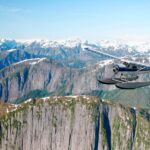
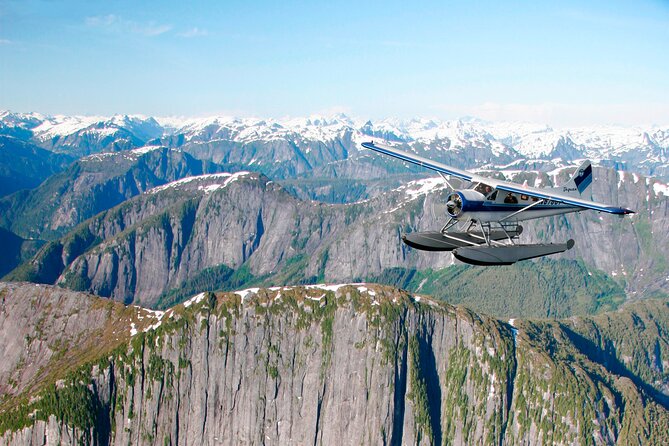
Once you’re near Misty Fjords National Monument (about 40 miles east of town), the scenery turns into the reason people do this in the first place. You’ll be flying through areas of low mist, and when the view clears you get sharp lines: fjords, cliff faces, and rock walls rising hundreds—or thousands—of feet from the water.
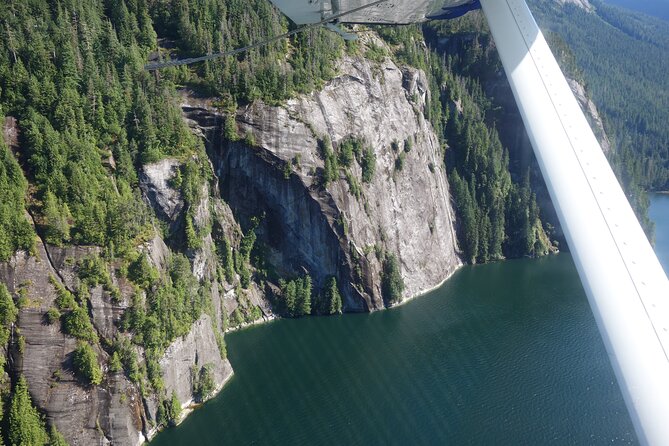
One of the described highlights is the scale of those walls: a natural mix of sea cliffs and steep fjords, with rock walls rising roughly 3,000 feet straight out of the ocean. From the air, that height lands differently. You can feel how steep the land drops, and you understand why “fjords” are more than a pretty word.
Waterfalls are a major visual draw. From the flight path, cascades appear like bright threads dropped into the dark granite. Even if you’ve seen waterfalls before, you’re seeing them in context—how they carve into vertical rock and how they feed the channels below.
And the forest cover matters. Dense hemlock and spruce cling to the vertical slopes, which makes the cliffs look even more textured and alive. It’s not just rock. It’s rock with a living skin.

Wildlife spotting chances (and how to manage expectations)
This isn’t a wildlife safari where you can demand a sighting. But the aerial viewpoint does give real odds.
Your pilot will point out potential wildlife areas, and the described list includes wolves, bears, deer, and eagles. On top of that, some guests reported seeing things like mountain goats during the flight.
Here’s the practical way to handle wildlife on this tour: keep scanning, but don’t freeze your view only on one thing. In places like this, animals can be spotted quickly against rock or shoreline, and then they’re gone. The best strategy is steady, wide-looking, and letting your pilot guide you when they identify movement.
Pilot narration: the big difference between a good flight and a great one
This is where the experience can swing. Most flights come with narration via headset, and many guests praised pilots for being friendly and for delivering excellent commentary.
For example, guests mentioned pilots Scott, Mike, and Joe. One pilot was described as giving excellent historical narration and personal context about living in Alaska. Another was praised for smooth flight handling and strong local knowledge.
At the same time, a few guests felt they couldn’t hear the commentary well, or that the narration was inconsistent. Also, one guest noted that the pilot’s maneuvers can make one side of the plane significantly better for views. You can’t fully control that, but you can control your posture—sit ready for your side’s best angles, and pay attention when the pilot talks about what they’re about to show.
Tiny extra tip if the pilot asks for a volunteer: one guest said volunteering can lead to a fun moment, like getting a copilot seat. It’s not guaranteed based on the written info, but it’s a real possibility.
Getting back to your ship: the stress-free idea (mostly) works
Alaska cruise days have one enemy: the clock. This tour includes a 100% guarantee aimed at not missing your cruise departure. If the ship already left in a rare scenario, the plan is to arrange transportation to the next port-of-call. If your ship is delayed and you can’t make it, the money is refunded per the terms.
In day-to-day reality, the operation is built around coordination: shuttle you to the floatplane base, return you to the right ship dock area, and keep you on the schedule. Several guests described smooth pick-ups and returns, with staff helping route you right back to the ship.
One caution based on guest feedback: if weather forces cancellation, communication quality seems to vary. Fog can cancel flights, and when it does, you’ll want to stay reachable and ready to pivot. Don’t assume everything will be perfectly calm and timely—plan for the possibility of a reschedule window.
Price and value: is $349 a good deal?
At $349 per person, this isn’t a budget activity. You’re paying for three things that are hard to replicate:
- The floatplane ride itself (seaplane operations aren’t cheap)
- The distance and access—getting into Misty Fjords territory efficiently
- The “included value” extras: window seat guaranteed, headset narration, and cruise-focused coordination
A fair question is how much of the paid time is actual flying. Some guests noted flight time closer to about an hour, with ground time making up the rest. That doesn’t make it bad—it just means you should think of this as an intense aerial highlight, not a slow scenic cruise.
Where it can feel like a bargain is comparison. One guest said booking through a third-party platform was cheaper than booking the same tour through the cruise line. If you’re shopping, it’s worth comparing total cost (not just the headline price) and making sure your cruise return timing is covered.
Also remember: it doesn’t include food or drinks. You’ll want to eat before you go, or have a plan for snacks depending on your port day schedule.
Is this tour for you?
Choose this if you want:
- The Misty Fjords wow factor with a view that’s hard to get any other way
- A compact experience in a short time window (think: efficient and photogenic)
- A small-group feel, not a long cattle-car process
Consider skipping or adjusting expectations if:
- You hate weather uncertainty and need a fixed plan
- You’re sensitive to audio issues (some guests reported difficulty hearing narration clearly)
- You want long, slow exploration on the ground (this is mostly about the air)
Should you book the Misty Fjords floatplane tour?
I’d book it if Misty Fjords is on your Alaska list and you’re excited by the idea of seeing steep fjords and waterfall cuts from above. The guarantee around cruise return is a strong safety net, and the window seat plus live narration gives you a lot of meaning per minute.
Just go in with two grounded expectations: the day depends on weather, and the narration quality can vary with the pilot and your seat/audio fit. If you arrive early, stay reachable, and treat this as a sky-high snapshot of the national monument, it’s the kind of experience you’ll remember longer than most excursions in Alaska.
FAQ
How long is the Misty Fjords floatplane tour?
The tour is approximately 2 hours, including time before and after the flight.
Where does the tour start and end?
It starts in Ketchikan, with floatplane departure from the Taquan Air location, and it ends with drop-off back in Ketchikan.
Is a window seat guaranteed?
Yes. A window seat is guaranteed.
Are food and drinks included?
No. Food and drinks are not included.
Do you get narration during the flight?
Yes. You receive engaging live narration through your headset, and the headset also includes a musical soundtrack.
How many travelers are on the tour?
The maximum group size is 12 travelers.
What wildlife might you see?
The tour description lists chances to see wolves, bears, deer, and eagles. Other wildlife may also be spotted depending on conditions.
What kind of weather is required?
This experience requires good weather. If it’s canceled due to poor weather, you’ll be offered a different date or a full refund.
What languages are offered?
The tour is offered in English.
What information do you need to provide when booking?
You must provide all passenger names, all passenger weights, and your cruise ship or hotel name.