REVIEW · SEWARD
Seward: Kenai Fjords National Park Catamaran Cruise w/Lunch
Book on GetYourGuide →Operated by Major Marine Tours · Bookable on GetYourGuide
A fjord cruise in Alaska beats the photos. I love the combo of wildlife spotting and a real tidewater glacier calving stop, all from a stable, high-speed catamaran. You’ll also get a simple, good-on-the-go deli lunch while you cruise. One heads-up: whale sightings aren’t guaranteed, and if seas are choppy you may feel it, especially when the boat runs fast.
What makes this cruise feel worth your time is how much the captain and crew work the day for sightings—then slow down when they find something. I like the practical inclusions too: binoculars, coffee/tea/water, and an onboard team that helps people stay comfortable. Still, sound can be tricky outside, so plan where you sit if you want to hear the captain clearly.
Bottom line: if you want a classic Kenai Fjords experience with glacier drama and serious wildlife chances, this is a strong pick for a first Alaska boat day. Just be ready for Alaska weather and bring the right gear so the hours feel fun instead of miserable.
In This Review
- Key highlights worth planning around
- Boarding Harbor 360: the part that saves your day
- Resurrection Bay wildlife search: what you’re actually chasing
- How the day feels when wildlife turns up
- Puffins and sea otters: the small stuff that makes the trip
- The glacier stop: tidewater calving is the real Alaska moment
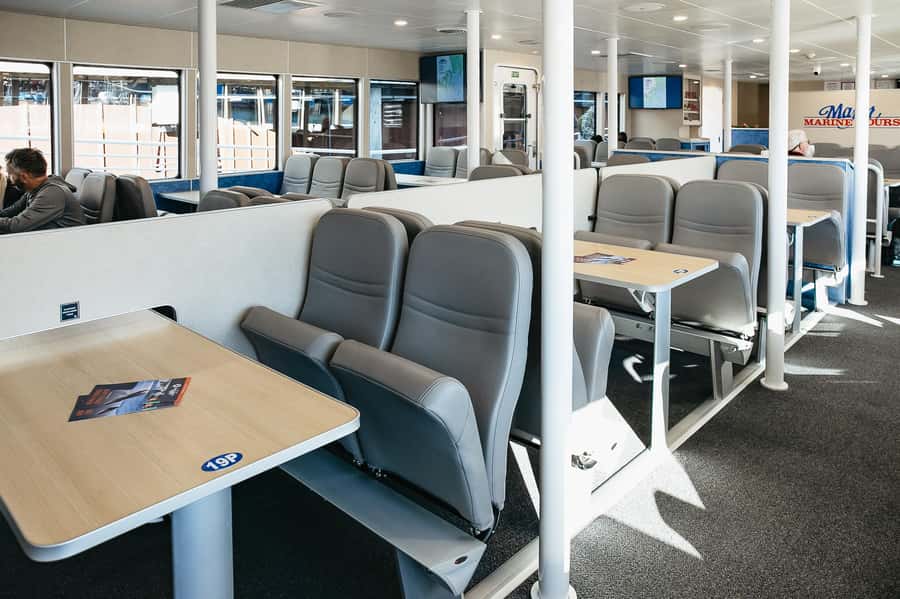
- Onboard ride and comfort: why this catamaran works
- Seating tip: plan for your priorities
- Lunch onboard: simple, filling, and timed well
- Alcohol is optional, not included
- Captain and crew guidance: what you’ll gain beyond spotting
- The “organized” feel
- What to pack: keep your trip warm, dry, and wearable
- Timing, weather, and the “long day” reality
- Price and value: is $250 per person fair?
- Who should book this cruise (and who should think twice)
- FAQ
- How long is the Kenai Fjords catamaran cruise?
- Where do I check in for the cruise?
- What is included in the price?
- What lunch options are available?
- Are alcoholic drinks included?
- Can I guarantee seeing whales?
- What should I bring?
- Is the cruise wheelchair accessible?
- Should you book it?
Key highlights worth planning around
- Stable catamaran ride: designed for speed, but still comfortable enough for hours on the water
- Captain guide + binoculars included: you’re not just looking out; you’re learning what you’re seeing
- Resurrection Bay wildlife search: chances for whales, sea otters, seals, puffins, and more
- Tidewater glacier stop: look for chunks of glacial ice breaking off into the water
- Deli lunch onboard: turkey, roast beef, or vegetarian, served during the cruise
- Onboard bar for local beer/cocktails: alcohol is available for purchase, not included
Boarding Harbor 360: the part that saves your day
Most stress on a cruise starts before you even leave the dock. Check in 1 hour before departure at the tour desk inside the Harbor 360 Hotel lobby. That timing matters because you’re boarding a boat that runs on schedule—skip the line and you’ll likely skip the fun.
Once you’re checked in, expect the usual pre-departure routine: finding your spot, grabbing your included binoculars, and getting your warm layer situation sorted. This is also when I’d pick my seating plan. If you tend to get motion sick, you’ll want to think about where you’ll be when the boat accelerates.
The end of the day is easy: the cruise returns back to the same meeting point. No transfers, no mystery drop-off.
You can also read our reviews of more tours and experiences in Seward.
Resurrection Bay wildlife search: what you’re actually chasing
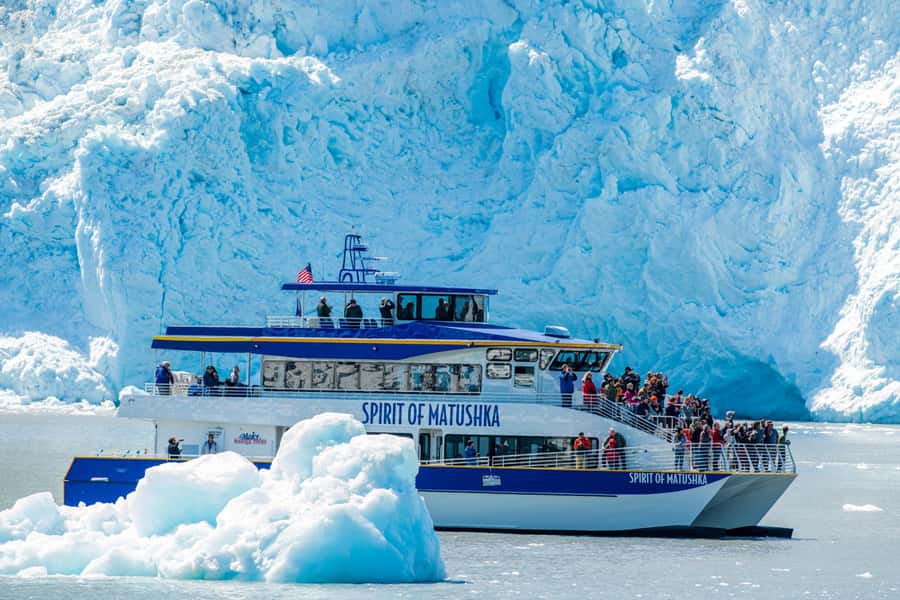
The whole point of this trip is the protected waters of Resurrection Bay in the Gulf of Alaska. The captain guides the cruise, and you’ll keep scanning for marine life while you move through fjords and along scenic coastline.
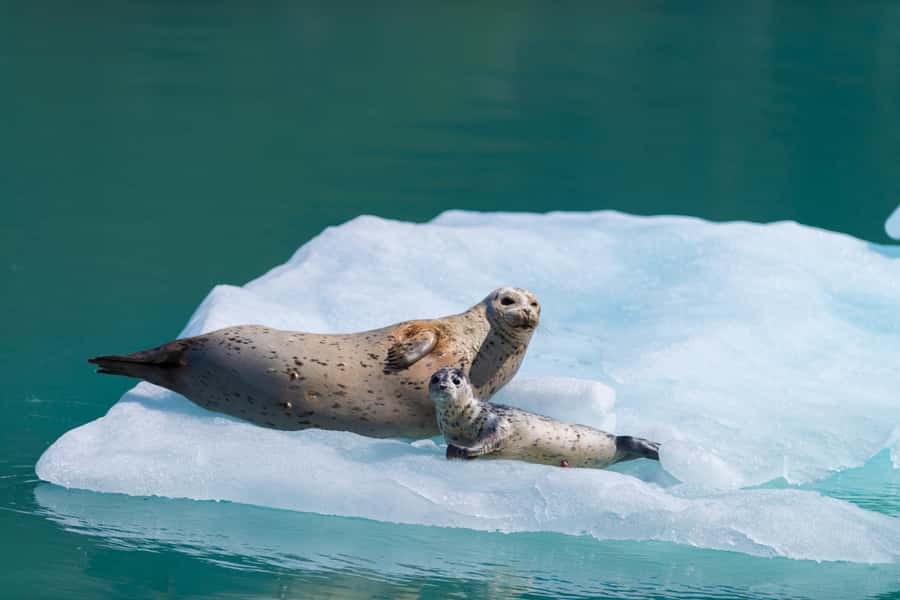
Here’s what you should realistically keep on your radar. You might see orcas, humpback whales, Dall’s porpoises, Steller sea lions, harbor seals, sea otters, seabirds, and other wildlife. Some days feel like a jackpot; other days feel like you’re constantly “almost there.” That’s normal in this region. The cruise itself is built around searching and repositioning, not a promise that every sighting will happen.
How the day feels when wildlife turns up
When you spot something, the crew slows down and you get time to watch. In recent experiences, that often meant extended viewing—like following a whale longer than you’d expect on a faster itinerary. If you’re chasing the wow factor, this is the part you’ll remember: watching wildlife in their actual environment, not through a zoom lens.
Puffins and sea otters: the small stuff that makes the trip
People sometimes focus only on whales, but this cruise also sets you up for the smaller, special moments—puffins in flight, sea otters popping up, seals resting along the waterline, and sea lions showing up where they like to haul out. Those are easier to spot when conditions aren’t perfect, and they add variety even if whale sightings are brief.
The glacier stop: tidewater calving is the real Alaska moment
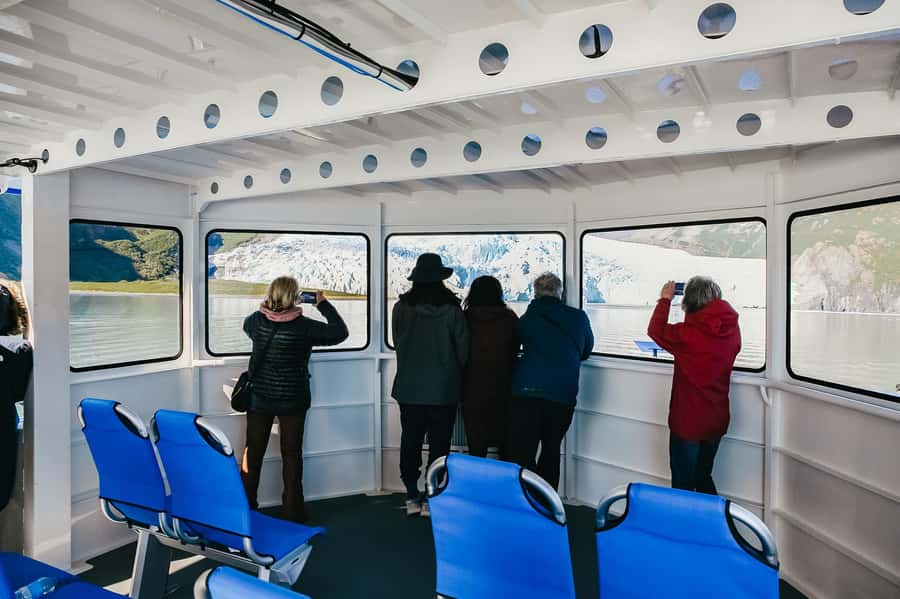
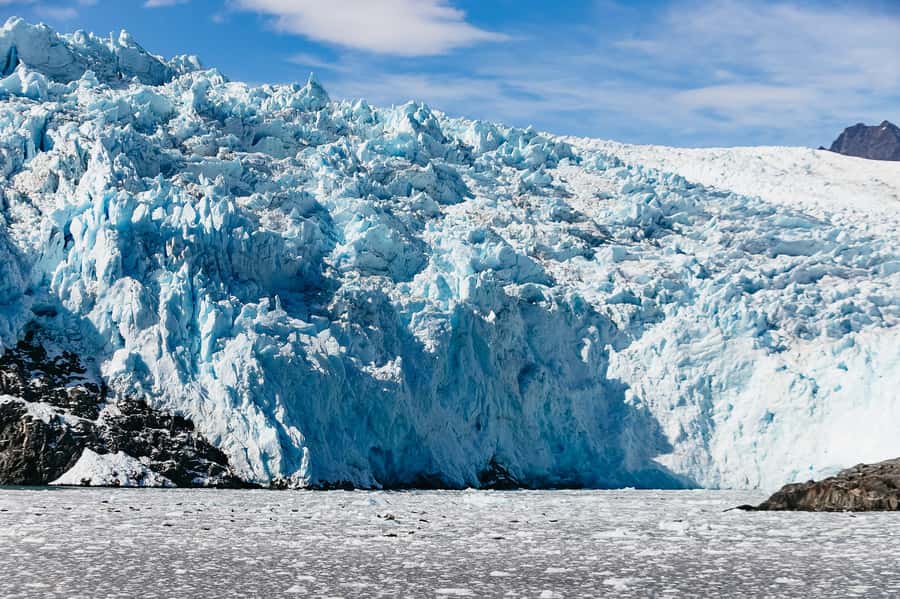
At some point, you’ll stop to admire a tidewater glacier. This is where the landscape becomes physical and loud: you may witness giant chunks of glacial ice break off and crash into the water.
This stop matters because tidewater glaciers are different from the “pretty ice in the distance” version. Calving is motion, sound, and scale. You’ll look up at steep ice fronts, then watch the shoreline foam where ice tumbles down. Even on overcast days, that moment often cuts through the weather.
One more thing: glacier viewing can depend on conditions and what the captain can safely reach. If weather is rough, your glacier experience might be more limited than you hope. The good news is that the day is designed so you’re still seeing fjords and wildlife, not just cruising endlessly.
Onboard ride and comfort: why this catamaran works
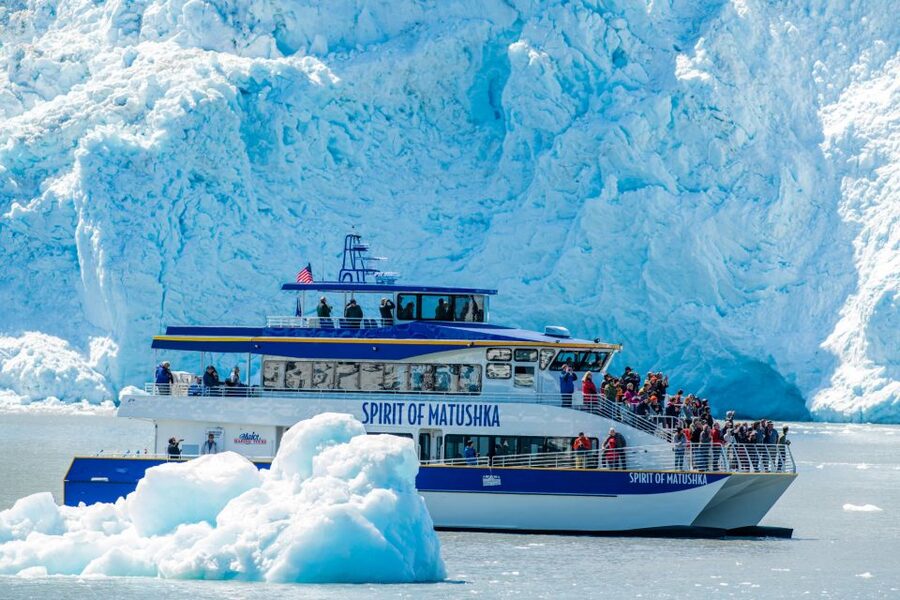
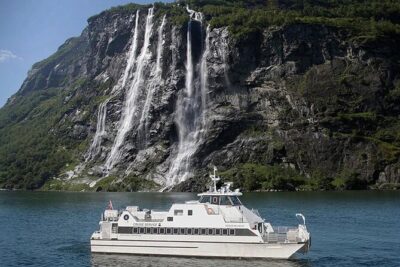
This is a large, stable catamaran with a high-speed feel. That stability is a big deal in Alaska, where the water can shift your mood fast. Most of the “comfort” chatter I’ve heard centers on how people felt confident on the water and how the crew handled comfort issues.
Still, be honest with yourself about motion. Some sightings require the boat to move quickly to get into position, and that can make things choppy. If you get motion sick:
- consider bringing your own medicine (some people take Dramamine),
- and if you can, try to stay where the motion feels least intense—often not out on the most exposed edge.
Seating tip: plan for your priorities
If you care about hearing the captain’s narration, know this: commentary can be harder to catch if you’re outside on the deck. Indoors, people often feel more connected to what the captain is saying. If you’re not just sightseeing but learning, that matters.
Lunch onboard: simple, filling, and timed well
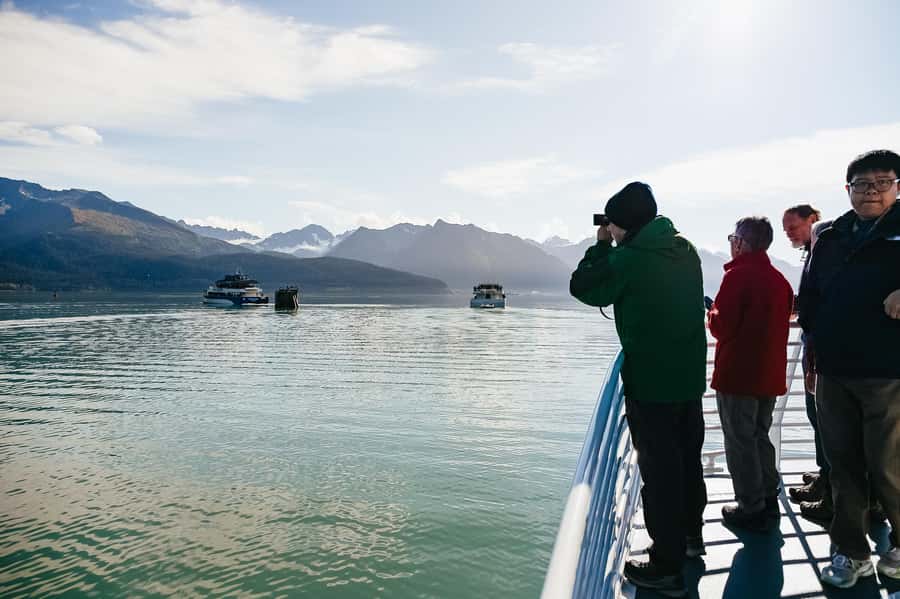
Your lunch is a deli-style sandwich served onboard while you cruise. Choices are turkey, roast beef, or vegetarian. Add in coffee, tea, and water, and you’ve got the essentials without needing to pack extra food.
I like onboard lunch because it prevents the “we’ll eat later” trap. Instead of taking time out to search for food on shore, you’re fed while you’re still seeing fjords. It’s the kind of practical convenience that makes a long day feel smoother.
Alcohol is optional, not included
If you want a local beer or a cocktail, you can buy it on the boat. Alcoholic beverages aren’t included, so if that’s part of your plan, budget for purchases separately. Also, bring cash only if you normally use it at on-the-go counters—cash is listed as something to bring.
Captain and crew guidance: what you’ll gain beyond spotting
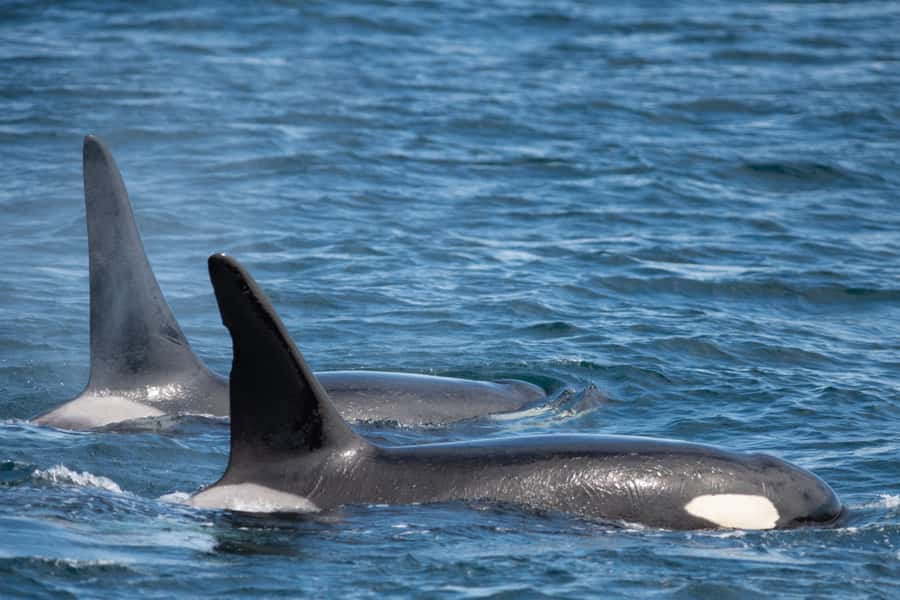
This cruise isn’t just a loop of scenic stops. The captain guide provides history and context about the region, and the crew helps you find and view wildlife.
Names that come up in the captain-and-crew mix include Captain Laura, Captain Nicole, and guides such as Lane. In plain terms, that’s a sign the team is actively working the day—not just reading scripts. When conditions are overcast, you’ll still get searching and repositioning, and the crew often keeps an eye on who needs help.
The “organized” feel
One standout theme is how organized the flow is: check in, boarding, lunch, then back to the same meeting point. That structure helps you stay relaxed even when the day runs long.
And if you’re traveling solo, you may find it easier to settle in—some boats use assigned indoor seating so you’re not floundering for a place to park yourself.
What to pack: keep your trip warm, dry, and wearable
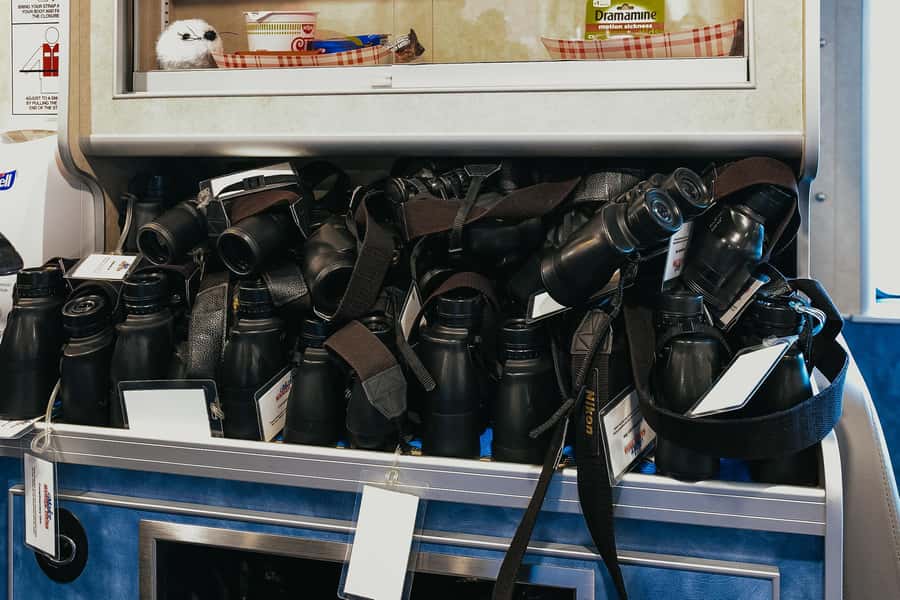
Alaska rewards good clothing. Bring comfortable shoes, warm clothing, a hat, gloves, and thermal layers if you run cold. A waterproof jacket is specifically recommended, because weather can turn faster than you can change plans.
Other helpful items:
- Closed-toe shoes (the boat is not the time for flimsy sandals)
- Binoculars if you have them, even though the cruise includes binoculars onboard
- Cash, if you want on-board purchases
And please note what’s not allowed:
- Baby strollers
- Smoking
- Luggage or large bags
- Drones
- Tripods
- Alcohol and drugs (alcohol is sold onboard, but you can’t bring it)
If you want a simple rule: wear layers you can peel off, but don’t show up planning to be dry in a rain squall.
Timing, weather, and the “long day” reality
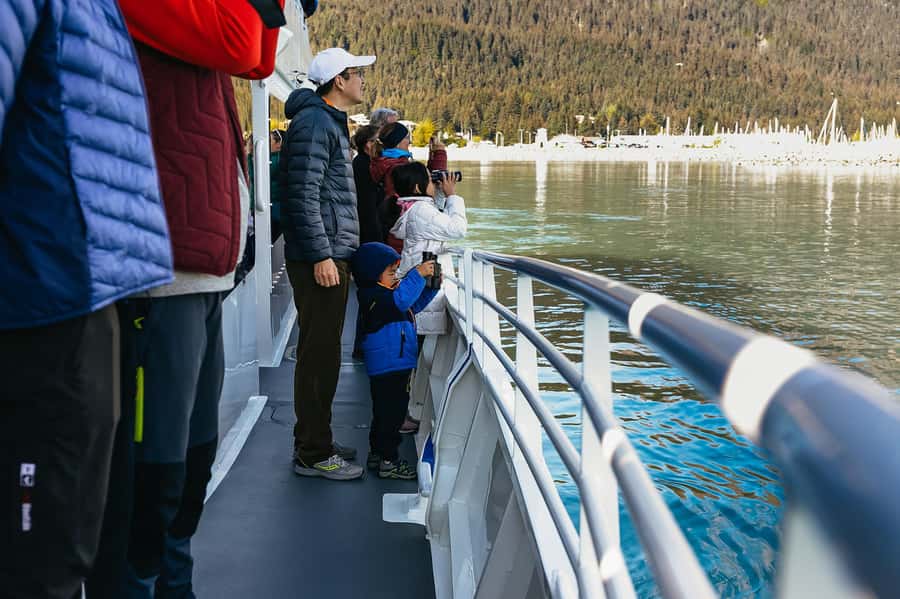
This cruise runs about 6 hours. That’s not a quick half-day, but it’s also not the 10+ hour monster. Many people like that sweet spot—enough time to chase wildlife, plus a meaningful glacier stop.
Weather is a big variable. The Gulf of Alaska can bring rain and wind even when forecasts look mixed. The good sign here is that the cruise keeps working the day. Even on cloudy conditions, the boat crew can often find animals and keep the experience lively.
One more practical note: if you’re coming from Anchorage, the total travel day can feel long. The boat time is what you’re paying for—but your full day may start earlier than you expect.
Price and value: is $250 per person fair?
At $250 per person, you’re paying for a lot of moving parts: a 6-hour catamaran ride, onboard staff, captain guidance, binoculars, coffee/tea/water, and a real lunch. You’re also paying for access. Kenai Fjords glaciers and wildlife are simply not something you can recreate easily from shore.
Is it “cheap”? No. But it’s not just sightseeing—it’s a structured hunt for wildlife plus a tidewater calving stop. When your day includes whales, puffins, seals, sea otters, and a close-up glacier moment, it feels like value. When conditions are rough and sightings are limited, it still pays off because you’re seeing the fjords in motion and getting the glacier stop.
If your budget is tight, the decision comes down to your priorities. If you want maximum time on the water, there are longer options out there. But if you want a strong hit in 6 hours without feeling trapped on a boat all day, this one can make sense.
Who should book this cruise (and who should think twice)
This is a good fit if you:
- want a classic Kenai Fjords experience from Seward
- care about seeing whales and seabirds, but also want variety (sea otters, seals, puffins)
- like learning what you’re seeing through captain guidance
- prefer onboard food over hunting for meals while traveling
You might think twice if you:
- are very sensitive to motion and don’t manage it well
- really, really need perfect audio narration from outside decks (sound can be limited outdoors)
- hate unpredictable wildlife odds—because whale sightings can’t be guaranteed
FAQ
How long is the Kenai Fjords catamaran cruise?
It’s about 6 hours long.
Where do I check in for the cruise?
Check in 1 hour before departure at the tour desk inside the Harbor 360 Hotel lobby in Seward.
What is included in the price?
Binoculars, a captain guide, coffee/tea/water, and a deli-style lunch are included.
What lunch options are available?
Lunch is a deli-style sandwich with options of turkey, roast beef, or vegetarian.
Are alcoholic drinks included?
No. Local beers or cocktails are available for purchase onboard.
Can I guarantee seeing whales?
No. Whale sightings cannot be guaranteed, though there is a chance to see orcas, humpbacks, Dall’s porpoises, Steller sea lions, harbor seals, sea otters, seabirds, and more.
What should I bring?
Bring comfortable closed-toe shoes, warm clothing, a hat, gloves, thermal clothing, and a waterproof jacket. Binoculars are listed as something to bring as well.
Is the cruise wheelchair accessible?
Yes, it’s listed as wheelchair accessible.
Should you book it?
I’d book this if you want the full Kenai Fjords story in one day: fjords from a boat you can actually stand on, a realistic wildlife search in Resurrection Bay, and that unforgettable tidewater glacier calving moment. The $250 price is easier to justify when you remember what’s included—binoculars, lunch, beverages, and the captain guide doing the real work of finding wildlife.
If you’re prone to motion sickness, plan ahead and dress for wet cold. If you’re sensitive to sound, favor seating where you can hear the captain better. Do those two things, and this cruise has a strong chance of becoming one of your Alaska anchors.