REVIEW · ABISKO
Abisko: Fjord Sightseeing and Photography Tour
Book on GetYourGuide →Operated by Experience Abisko · Bookable on GetYourGuide
Some days in the far north feel like real-life cinema. This Abisko fjord sightseeing and photography tour pairs practical photo stops with expert narration as you head into Norway’s dramatic fjord country. Two things I especially like are the way the route is adjusted to the day’s weather and the onboard support for your camera setup, not just scenery bragging. One thing to consider: in deep winter, the minivan can feel cold, and windows may get icy even when you’re dressed for it.
I joined this kind of outing expecting photos. I did not expect how much the details matter: where you stop, how long you’re there, and what the guide points out before you lift your camera. Guides like Jakob and Alex have a knack for mixing fjord views with stories about the land and people, including Sami culture, which gives your pictures context instead of just pretty backgrounds.
In This Review
- Key points worth knowing before you go
- Why Abisko is your best jump-off for Norwegian fjord views
- The 6-hour rhythm: how the day stays focused (and not rushed)
- Crossing into Norway via Riksgränsen and what it changes
- The main photo-drive: Lake Torenträsk to Nordland County viewpoints
- Narvik or Bjerkvik: where lunch fits and the fjords keep pulling you onward
- The final guided hour: off-the-beaten stops and quick walking photo chances
- Guides, camera help, and why your photos improve on day one
- What you might spot: eagles, orcas, porpoises, and the winter wildlife question
- Price and value: is $171 worth it for a fjord day?
- What to pack for minus-degree days (and cold-window reality)
- Who this fjord photography tour suits best
- Should you book: my straight answer
- FAQ
- How long is the Abisko fjord sightseeing and photography tour?
- Where do pickups happen?
- What language is the guide?
- Does the tour include a camera?
- Do I need an SD card?
- Is lunch included?
- What documents do I need to bring?
- Is the tour suitable for everyone?
Key points worth knowing before you go
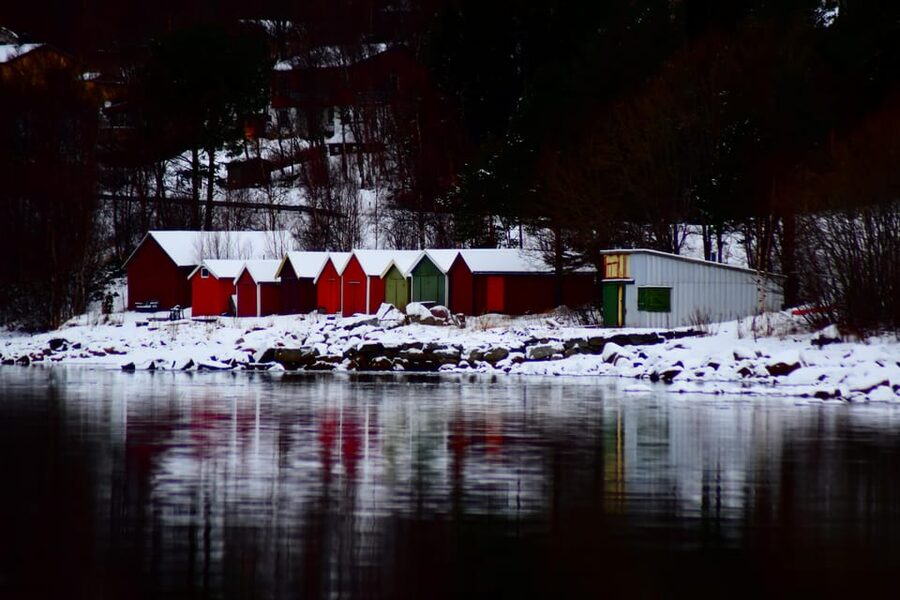
- Weather-driven route changes: where you go west into Norway depends on conditions and group interest.
- English-only guidance (with backups): English is guaranteed; other languages are not.
- Camera support included: you get help with camera/photography and can rent equipment (limited).
- Border crossing at Riksgränsen: it’s a big-feeling moment in a small travel day.
- Lunch is on you: there’s a café break, but you buy lunch or bring your own.
- Wildlife may happen, not promised: eagles, orcas, and porpoises are possible depending on conditions.
Why Abisko is your best jump-off for Norwegian fjord views
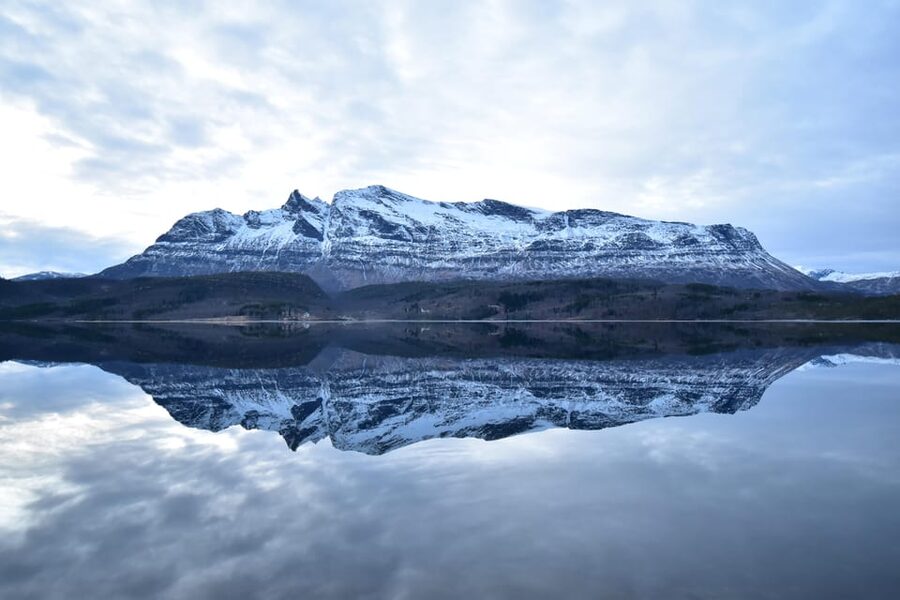
Abisko sits in Norrbotten County, and that matters. You’re starting from a place that already knows cold-weather travel. The tour is designed around that reality: you’ll leave Abisko by minibus, then gradually move toward the fjords where the terrain changes fast—mountains, lakes, and sea that may never fully freeze in the same way you’re used to.
What I like is that this isn’t just a drive with a few pull-offs. You’re guided through what to look for and when. In winter, timing is everything: light quality, reflective water, and how fast you’ll get frost on glass.
Also, this is a photography-first outing without turning into a workshop class you have to study for. If you want to shoot landscapes, wildlife, or moody winter water, the day gives you chances to do it.
You can also read our reviews of more tours and experiences in Abisko.
The 6-hour rhythm: how the day stays focused (and not rushed)
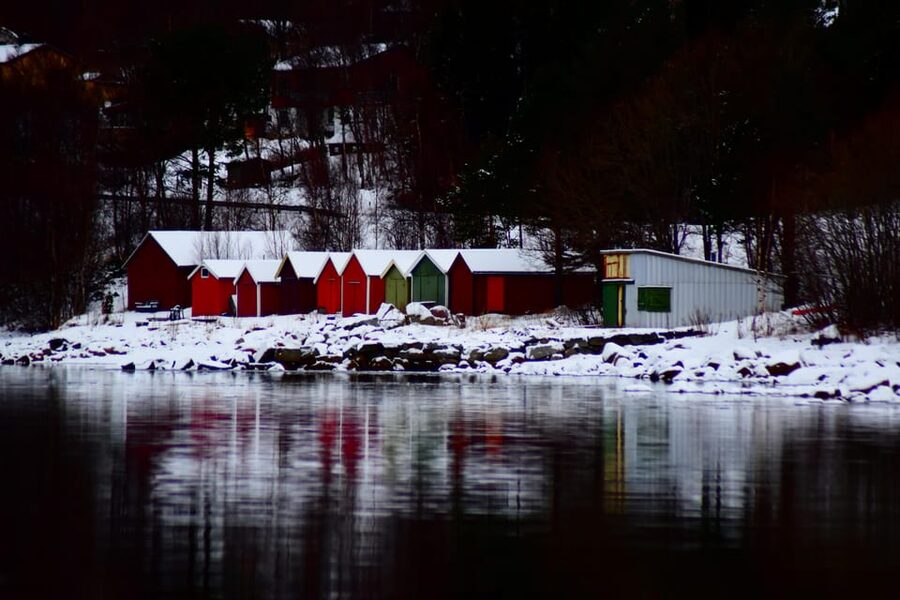
The total time on the tour is 6 hours. That’s short enough to avoid the “why am I still in a van” feeling, but long enough to cross into Norway and still have multiple photo stops.
You’ll start with pickup from one of five locations around Abisko:
- Abisko Tourist Station (STF), including a stop near Naturum
- Hotell Fjället
- Abisko Mountain Lodge
- Abisko Guesthouse / Experience Abisko
- Experience Abisko pickup area
Pickups happen a few minutes after the start from Abisko Guesthouse/Experience Abisko, and a bit later at other points (roughly 5–15 minutes, depending on the stop). You don’t need to memorize the schedule, but you should plan to be ready early at your pickup spot so you don’t miss the first viewing window.
Once you’re rolling, the ride is broken into clear chunks:
- scenic driving time while the guide sets context
- a longer guided photo/sightseeing segment
- a café stop for lunch
- a final guided photo stop hour
- return drop-offs back around Abisko
The best part of this pacing is that you’re not fighting the clock at each location. You have moments to photograph, breathe, and reset.
Crossing into Norway via Riksgränsen and what it changes
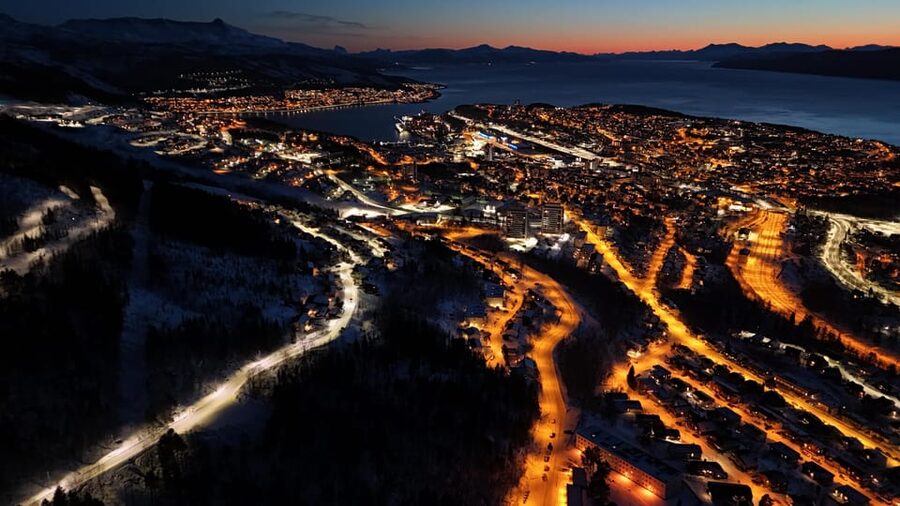
The tour crosses the border at Riksgränsen. That single fact changes the feel of the day. You’re not just traveling across a region; you’re moving into a different coastline and a different set of fjord viewing angles.
As you head west, the scenery keeps widening out. You start with the kind of northern calm that makes Lake Torenträsk feel alive, then you transition into the fjord country where the mountains rise sharply and the sea presence becomes more obvious.
This is also where the guide’s narration pays off. When you understand what you’re looking at—how the terrain shapes the water and visibility—you shoot smarter. You point your camera with intention instead of just chasing the most dramatic view.
The main photo-drive: Lake Torenträsk to Nordland County viewpoints
One of the practical strengths of this tour is how it uses the drive time. You’ll travel alongside Lake Torenträsk, then continue toward Norway through areas in Nordland County. There’s a longer sightseeing and photo stop segment—about 2.5 hours of scenic drive plus guided viewing.
For photographers, this is where you gain “keeper odds.” Fjords can be visually complex. You don’t want one ten-minute stop and then move on. Instead, you get repeated opportunities to frame:
- ridgelines and mountain fall-offs
- water reflections (when conditions cooperate)
- coastline angles that reveal the fjord system layer by layer
Even if you only use your phone, you’ll still benefit from the guide’s advice on positioning. Winter photos are often about contrast: dark mountains, bright sky, and bright highlights off ice or water.
One caution: on particularly cold days, windows can become icy. That’s normal for winter driving here, and you should expect it. Your best strategy is to keep wipes/ice tools handy if you have them, and don’t wait until the view is already gone.
Narvik or Bjerkvik: where lunch fits and the fjords keep pulling you onward
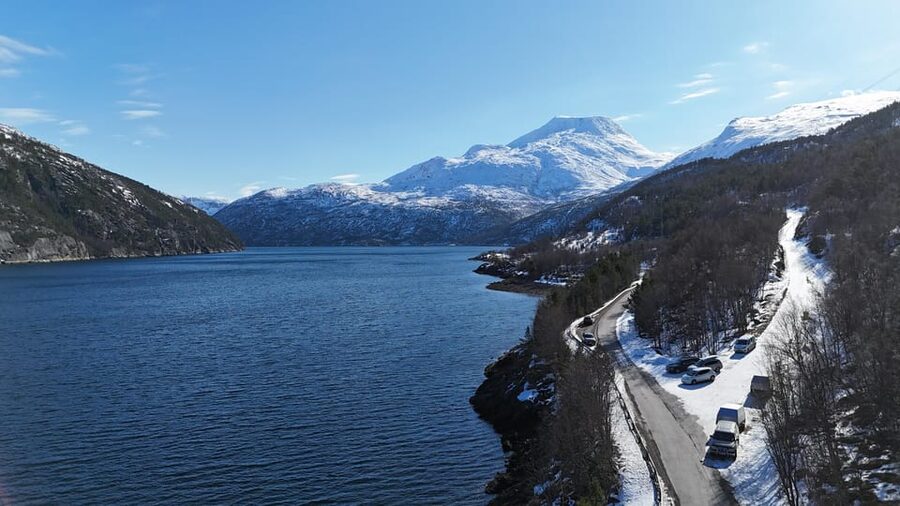
At midday you stop for lunch at either Narvik or Bjerkvik. It’s about a one-hour café break. You can buy food there, and the rest of the day continues right after you regroup.
I like this approach because it avoids the “packed sandwich guilt” problem. You get a proper pause, use restrooms, and warm up (as much as you can in winter travel). It’s also a realistic way to refuel when you’ve been outside enough to feel the cold in your hands.
If you’re watching your budget, you can bring your own lunch, but the tour does not include lunch in the price. Plan to spend some time thinking about what you want to eat before you get hungry and rushed.
The final guided hour: off-the-beaten stops and quick walking photo chances
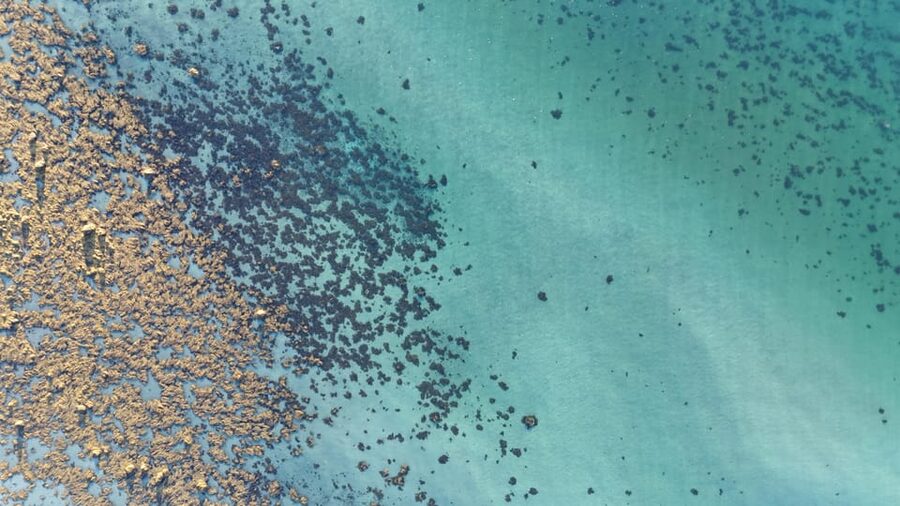
Near the end of the tour, you’ll do another guided photo stop for about an hour. This is the stretch where you can get that “I’m glad we didn’t only do the obvious views” feeling.
The stop is described as a special photo moment, and based on how guides operate on this route, you’ll likely find a viewpoint with stronger composition chances than just roadside scenery. In colder conditions, even a short walk can be enough to change your angle and clean up your background.
One clue from previous guide approaches: people often remember small details like a reflective water moment and a short tromp through nearby woods to see natural growth (like berries or mushrooms when conditions permit). Even if you don’t experience those exact details every day, the point is that the guide is there to find photo value, not just park for a “look at the view” photo.
Guides, camera help, and why your photos improve on day one
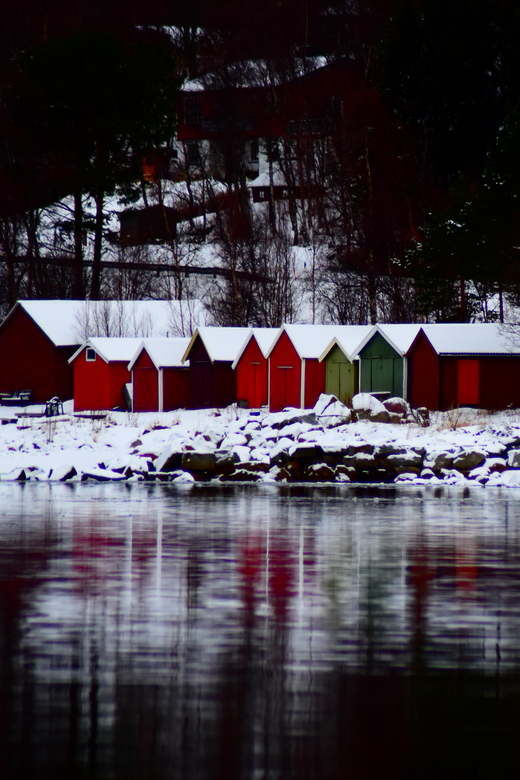
This is one of the most practical parts of the tour. You get:
- a guide
- a minivan
- help with cameras and photography
If you don’t have a camera, you can rent one. The tour states there are 8 cameras total, so availability is limited. You’ll still want your own memory card, though. You’ll need an SD card or Micro SD card with an SD adapter. If you don’t have one, you can purchase SD cards at Abisko Guesthouse or Experience Abisko.
Here’s the photography reality I like to remind people of: in winter, your photos fail for boring reasons—frost on glass, slow exposure choices, or forgetting to switch settings for bright snow and dark mountains. The onboard camera help reduces that stress. You don’t need to be a pro; you need to shoot without technical panic.
Guide style matters too. People have highlighted high-energy guiding, and I’ve seen the difference in how the best guides work: they don’t just talk. They watch the group, then adjust pacing. Jakob and Alex, in particular, have a reputation for tailoring the outing to what you want. If you ask for wildlife-focused framing, they’ll try to shift stops and guidance toward that.
What you might spot: eagles, orcas, porpoises, and the winter wildlife question
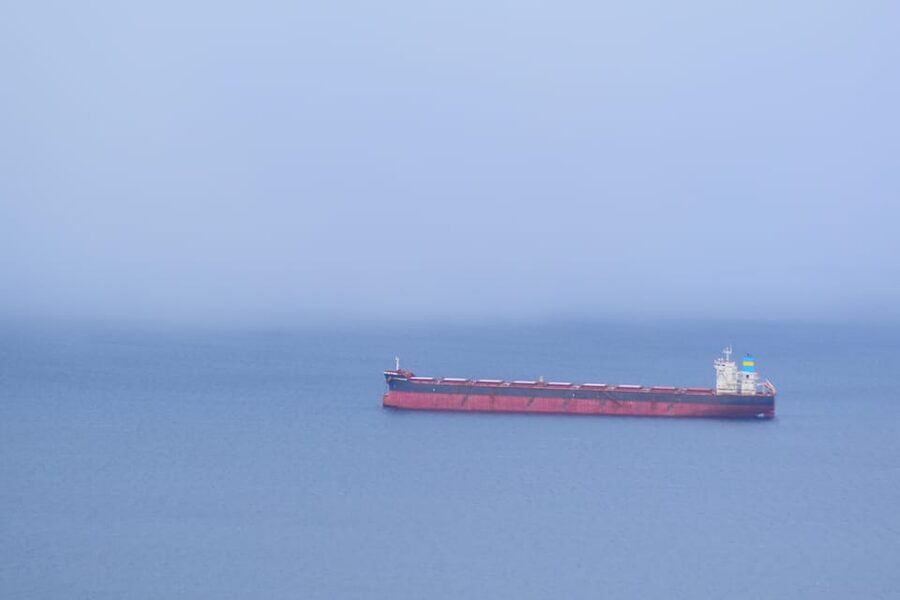
The tour mentions the chance of wildlife sightings, though none are guaranteed: eagles, orcas, and porpoises. On the fjord coast, marine life can appear depending on conditions, season, and where the water is moving.
In addition, guides have helped people connect with reindeer observations during winter outings on this route. Wildlife sightings are never a promise, but your best odds come from staying ready at the photo stops and listening when the guide points out where to look.
Practical advice from how these tours run: when the guide calls out a viewing window, treat it like it’s time-sensitive. In winter, the best light and the best movement can be short. If you’re still bundling gloves when the group starts photographing, you’ll miss your best chance.
Price and value: is $171 worth it for a fjord day?
At $171 per person for 6 hours, you’re paying for a specific package:
- cross-border driving into Norway
- multiple guided stops with dedicated photo time
- a minivan plus pickup/drop-off across the Abisko area
- camera help, and potentially camera rental
- an English-speaking guide (English is the only guaranteed language)
Compared with paying for transport separately and trying to self-navigate the route, the value is in the guidance and the stop planning. Fjords are beautiful, but they also punish trial-and-error in winter. One wrong turn or one poorly timed stop can wipe out hours.
Also, consider what’s not included: lunch, camera gear, SD cards, winter clothing rental, and ice scrapers. That means your real cost depends on what you bring. If you arrive prepared (warm layers, SD card, and maybe a camera), you can keep spending close to the base price. If you need rentals, budget a bit more.
For me, the best way to judge value is this: do you want someone else to handle the route decisions so you can focus on photographing and learning? If yes, the price makes sense.
What to pack for minus-degree days (and cold-window reality)
This tour is for winter weather. That’s not vague. The tour notes that car windows may become icy and that this is normal. In the reviews, people describe conditions down to around minus 29.5°C and emphasize being dressed correctly.
You should plan on:
- weather-appropriate layers, including warm outerwear
- passport or ID card
- an ice scraper if you have one (ice scrapers are not included)
- your SD card or Micro SD plan if you’re using a rented/your camera
Winter clothing can be rented at Abisko Guesthouse. Not everyone needs it—if you already have good gear, great. If you’re traveling light, the rental option helps you avoid arriving underdressed.
One more practical tip: the minivan can run cool, even with heating. Dress for warmth you can maintain while standing outside during stops. A lot of the photos will be from brief but repeated exterior moments.
Who this fjord photography tour suits best
This outing is a strong match if you want:
- fjord scenery without planning every stop yourself
- a guide to translate terrain into photo ideas
- photo help even if you’re mostly on your phone
- a day that balances driving with meaningful stops
It may not be the best fit if you:
- use a wheelchair (the tour is not suitable)
- are dealing with being sick or very cold-sensitive (the tour notes it’s not suitable for people with a cold)
- are traveling with a baby under 1 year (not suitable)
If you’re traveling solo or as a couple, this also works well. You’ll still get a guided day, and the group size typically keeps the pace manageable.
Should you book: my straight answer
Book it if you care about getting more than one pretty view. The value is in the guided stop planning, camera support, and the border crossing that makes the day feel bigger than a local drive. It’s especially worth it if you want fjord photography but don’t want to figure out the route in winter.
Skip or rethink it if you’re hoping for a fully predictable wildlife show, because the tour can only give you odds, not guarantees. Also, if cold weather is a real problem for you, plan carefully and bring your best layers. The windows may frost. That’s part of the experience here.
If you want a clean plan for a fjord-focused day from Abisko, this tour is a solid choice.
FAQ
How long is the Abisko fjord sightseeing and photography tour?
The tour lasts 6 hours.
Where do pickups happen?
Pickups are available outside Abisko Guesthouse / Experience Abisko, and also at STF (Abisko Tourist station), Hotell Fjället, Abisko Mountain Lodge, and Björkliden. You can request a pick up if you need one.
What language is the guide?
The tour guarantees English. Other languages may be possible, but English is the main guiding language.
Does the tour include a camera?
Camera gear is not included, but you can rent a camera. There are 8 cameras available for rental.
Do I need an SD card?
Yes. If you use a camera, you’ll need an SD card or a Micro SD card with an SD adapter. You can buy SD cards at Abisko Guesthouse or Experience Abisko.
Is lunch included?
Lunch is not included. There is a local café break where you can buy lunch, or you can bring your own.
What documents do I need to bring?
Bring your passport or an ID card, since the tour crosses into Norway.
Is the tour suitable for everyone?
It is not suitable for wheelchair users, people with a cold, or babies under 1 year. It also runs in winter conditions, so you should be prepared for cold travel and icy windows.